China steps up its diplomatic efforts in the Middle East
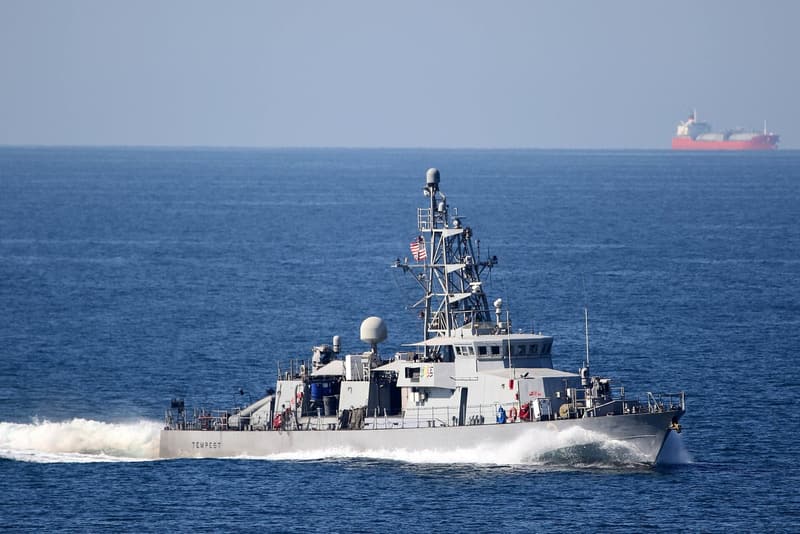
Representative photo · Photo: Official U.S. Navy Page from United Stat / Wikimedia Commons, Public domain
Beijing increases regional diplomacy regarding the US-Iran war by hosting senior officials and dispatching a special envoy to the Gulf.
China is actively increasing its diplomatic engagement in the Middle East following a period of reduced activity. Foreign Minister Wang Yi held discussions in Beijing with a high-ranking Iranian security official, while President Xi Jinping welcomed Oman’s Sultan Haitham bin Tariq for a significant state visit.
During the meetings, Wang emphasized that negotiation remains the sole viable solution as regional conflicts persist and threaten to spread further. He reaffirmed Beijing's backing for Iranian sovereignty and security, noting that China maintains a close trading relationship with Tehran. However, reports from Beijing suggest frustration with the lack of recent progress toward ending the hostilities.
China middle east diplomacy expands
To demonstrate this renewed focus, the Chinese Ministry of Foreign Affairs announced that special envoy Zhai Jun will travel to Iran, Oman, and Saudi Arabia this month. Concurrently, President Xi received Sultan Haitham during the first visit by an Omani head of state since diplomatic relations began in 1978. Xi stated that the region must not become a theater for geopolitical rivalry and great-power conflict.
China is actively boosting its diplomatic efforts to address ongoing Middle East conflicts and secure energy routes.
Oman occupies a vital geographical position across from Iran on the Strait of Hormuz, which handles a significant share of global energy shipments prior to disruptions caused by the war. Beijing and Muscat signed fourteen cooperation agreements spanning artificial intelligence, supply chains, and green energy, alongside a currency swap arrangement. Both nations jointly advocated for the resumption of safe navigation through the strait and urged dialogue between the United States and Iran.
Why it matters
These diplomatic moves highlight Beijing's growing urgency to safeguard its energy supplies and restore stability in a critical maritime corridor. The disruption of traffic through the Strait of Hormuz directly affects China as a major global energy importer, prompting intensified outreach to key regional partners like Oman and Iran.
Sources
More like this
Seven Migrants Die on Boat Bound for Canary Islands After Storm

Germany calls for Korean unity during DMZ visit

Driver Who Killed Headteacher Jailed For Life