Germany calls for Korean unity during DMZ visit
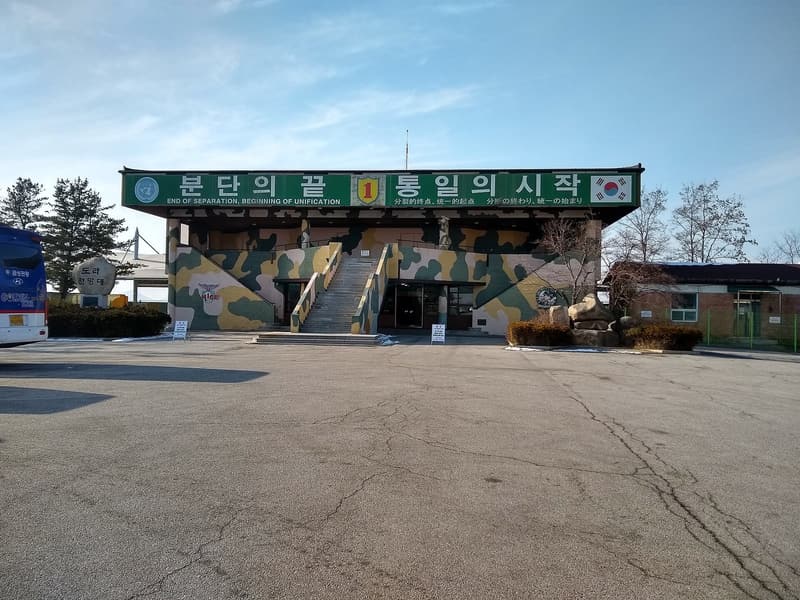
Representative photo · Photo: Lance Vanlewen / Wikimedia Commons, CC BY-SA 4.0
German Chancellor Friedrich Merz expressed hope for Korean reunification during a visit to the DMZ, echoing sentiments from 1993, but the prospect remains distant.
Decades after Germany achieved its own peaceful reunification in 1991, the division of the Korean Peninsula continues to resonate with German leaders who understand the pain of a split nation. During a visit to the Demilitarized Zone, German Chancellor Friedrich Merz looked over the heavily fortified border and repeated hopes first expressed by Helmut Kohl in 1993 that South and North Korea might eventually reunite. Mentioning germany korean parallels, analysts note that while the historical experience of division is shared, the current reality on the Korean Peninsula points in the opposite direction.
Today, neither Seoul nor Pyongyang appears to favor reunification. Younger generations in South Korea view the North simply as a poor and threatening neighbor without the sentimental ties felt by older populations. A survey by Seoul National University indicated that nearly forty percent of South Koreans believe reunification is impossible, driven largely by concerns over the enormous financial cost required to rebuild the North's infrastructure.
Meanwhile, North Korea has moved firmly away from the concept of reconciliation. Following a constitutional change approved in March 2026, the regime of Kim Jong Un formally abandoned the goal of peaceful reunification, designating the South as a hostile rival and scrubbing references to national unity.
Neither South nor North Korea currently displays any real desire for reunification.
Additional obstacles compound the deadlock. Experts point out that a democratic transition would threaten the ruling power in Pyongyang, while bridging the massive economic divide would place immense pressure on the South. Furthermore, the two nations remain tied to opposing global alliances, with the South aligned with the United States and the North connected to China and Russia.
Why it matters
The enduring division of the Korean Peninsula highlights how deeply entrenched political systems and opposing geopolitical alliances can prevent reconciliation even when historical parallels suggest otherwise. For international observers, the lack of desire for unity on both sides signals that the fortified border will remain a permanent fixture of global security.
Germany, like Korea, was once divided by rival political systems and by one of the world's most fortified borders.
Sources
More like this
Driver Who Killed Headteacher Jailed For Life
Lindsay Clancy Returns to Court Seeking to Dismiss Murder Charges
Karl Bushby returns to Hull after while on 28-year walk