US-Israel Relations Face Political Shift After Midterms
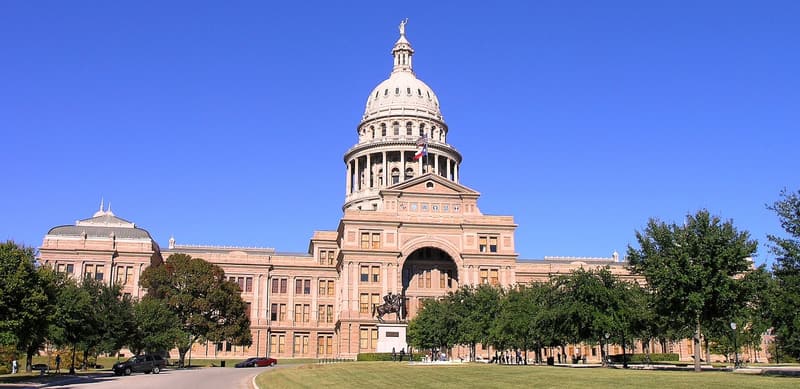
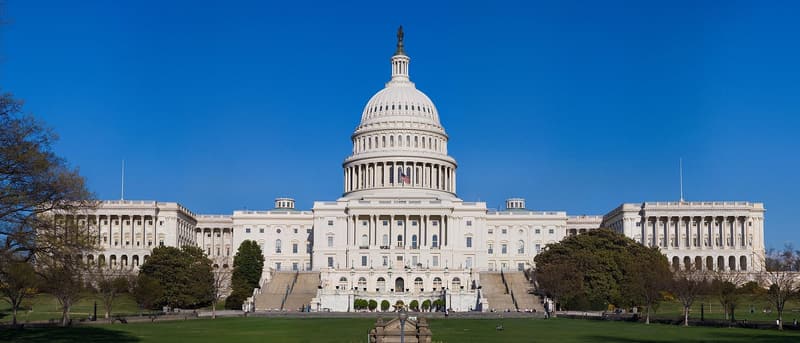
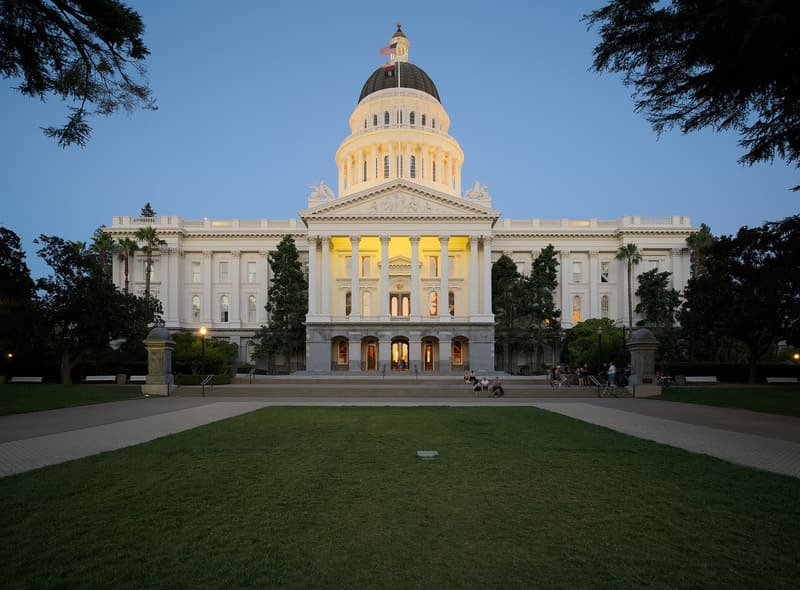
Representative photo · Photo: Noclip / Wikimedia Commons, Public domain
Recent midterm elections revealed a major shift in the US-Israel relationship as voters rejected traditional foreign policy and backed pro-Palestinian candidates.
The midterms delivered a clear rebuke to the long-standing US-Israel relationship, signaling that the traditional bipartisan consensus on the alliance may be over. On the eve of an election that marked an unequivocal rejection of his political brand, Donald Trump suggested on election morning that he would cut military aid to Israel by the end of the year because they do not need it. While this proposal to replace nearly four billion dollars in annual funding with arms sales suggested little practical change in actual military support, it highlighted how much public backing for Israel has eroded during the recent war in Gaza. That conflict has killed over seventy thousand Palestinians, been widely termed a genocide, and deeply reshaped American politics.
Down-ballot races across the country saw unabashedly pro-Palestinian candidates defeat pro-Israel opponents, despite political groups pouring tens of millions of dollars into attempts to reverse Israel's collapsing standing among voters. In Michigan, Abdul El-Sayed made history by becoming the first Muslim elected to the US Senate following a campaign marked by high spending from Aipac and significant Islamophobic rhetoric. Exit polls showed that El-Sayed won a majority of Jewish voters in the state, mirroring broader polling by J Street indicating that seventy-two percent of Jewish voters supported Democrats. The incoming Congress will feature several lawmakers with direct personal or activist experience related to the conflict in Gaza and the West Bank.
The old bipartisan consensus on US-Israel relations is over following the recent midterm elections.
Political analysts noted that the vote was also a referendum on the war in Iran, which impacted everyday Americans through rising costs at gas stations and grocery stores. Figures like Beth Miller of Jewish Voice for Peace Action and Lara Friedman of the Foundation for Middle East Peace emphasized that progressive organizers have successfully broken through decades of party marginalization regarding Palestine. Meanwhile, Matt Duss of the Center for International Policy urged Democrats to embrace an anti-war stance, pointing out that voters are increasingly tired of foreign conflicts and desire a new approach to foreign policy.
Why it matters
This political shift alters the legislative landscape in Washington, potentially opening the door for future congressional measures ranging from arms embargoes to sanctions against officials and violent settlers, although executive veto power remains. It demonstrates that foreign policy issues tied to domestic economic pressures can decisively influence American elections and reshape party platforms.
Sources
More like this
US Midterms Deliver Major Wins and Congressional Control to Democrats
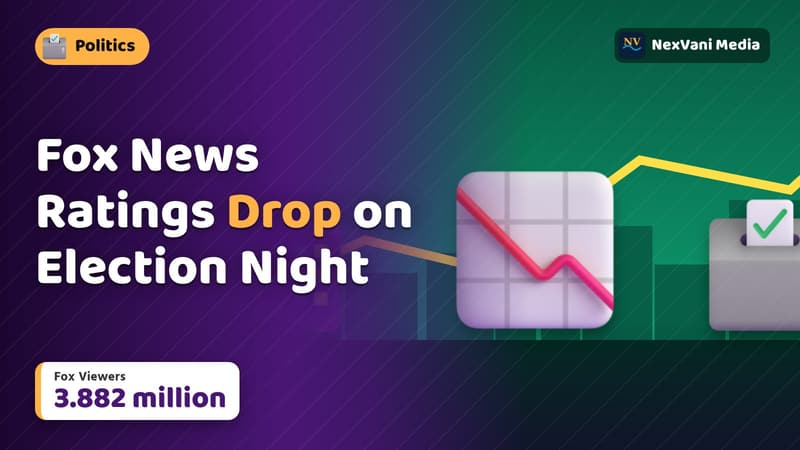
Viewers Fox News: Ratings Drop on Election Night
Progressive Randy Villegas Wins California Central Valley Race