Why Democrats Should Not Investigate Trump's Allies Until He Leaves Office
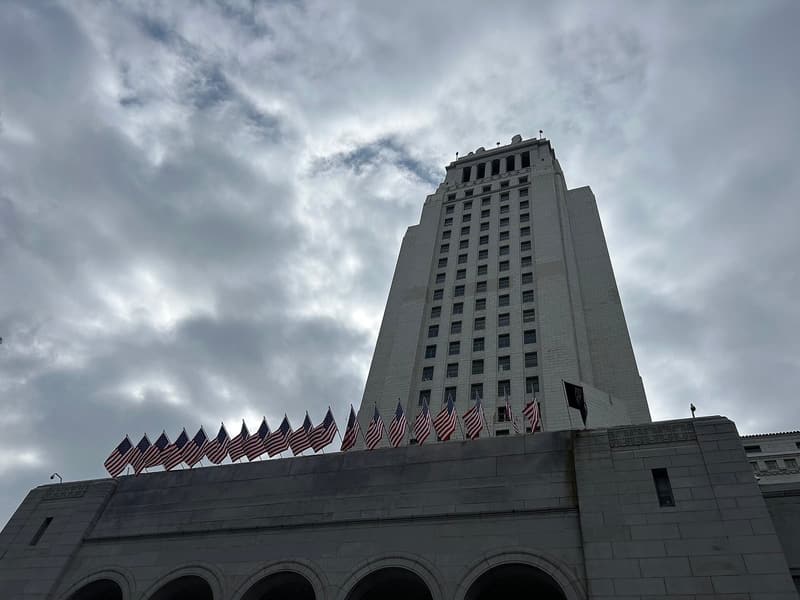
Representative photo · Photo: Noclip / Wikimedia Commons, Public domain
The US presidential pardon power has created a constitutional absurdity that can protect corporate allies from corruption accountability.
In a functioning constitutional democracy, allegations of corporate corruption would ordinarily invite immediate investigation. Congress would demand documents, summon executives and expose wrongdoing to public scrutiny. With Democrats having won control of both houses of Congress, expectations were high that they would exercise oversight powers vigorously. In Donald Trump’s America, however, there is a compelling argument to do precisely the opposite and to do not investigate Trump’s corporate allies until he leaves office in January 2029.
If the objective is criminal accountability rather than political theatre, incoming Democratic majorities might be better advised to preserve evidence but postpone public congressional investigations. Under the US Constitution, a president may pardon individuals for federal crimes before they have been charged, investigated or convicted. What was conceived as an exceptional power of mercy can become an instrument for protecting political associates and corporate executives from criminal accountability.
A Washington Post investigation revealed that powerful technology and defence companies that cultivated close relationships with Trump are anxious about a Democratic Congress. Companies including Palantir, Anduril, OpenAI and Meta face possible congressional scrutiny over government contracts and political contributions. The financial stakes are considerable, with companies backed by Trump's sons receiving billions in federal contracts, investments and loans.
Ordinarily, such investigations would be welcomed as essential oversight. However, congressional hearings uncovering evidence of fraud or bribery could provide Trump with a list of people to protect through sweeping pardons. Trump's record provides ample reason to take this seriously, having previously pardoned individuals convicted of financial offences and corporate entities that pleaded guilty to federal crimes.
This is not simply a Trump problem. Joe Biden demonstrated the extraordinary reach of the same constitutional power when he issued sweeping pardons to his son Hunter Biden and several public figures in his final hours in office, shielding selected individuals from federal criminal proceedings.
Postponing public congressional investigations can prevent sweeping presidential pardons from erasing federal criminal accountability.
Why it matters
The US presidential pardon power has created a constitutional absurdity that can protect those accused of corruption from federal criminal prosecution. For readers worldwide, this dynamic highlights deep structural flaws in executive clemency provisions where vast corporate fortunes and political patronage intersect.
Why it matters for governance
When exposing corruption serves merely as an inventory for presidential pardons, the foundational rule of law is severely tested. This constitutional reality forces lawmakers to weigh transparency against the preservation of eventual criminal accountability.
Sources
More like this

New Zealand Government Party Leads in Early Results
US Midterms and Israeli Opposition to Netanyahu
President Herzog Decides on Israel Government Mandate