President Herzog Decides on Israel Government Mandate
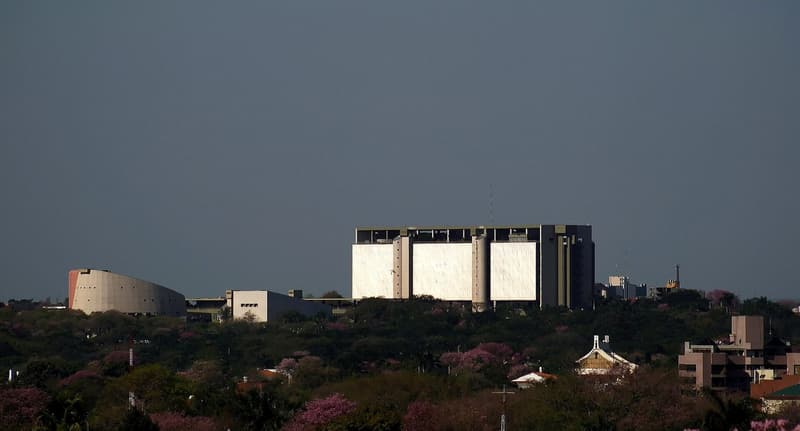
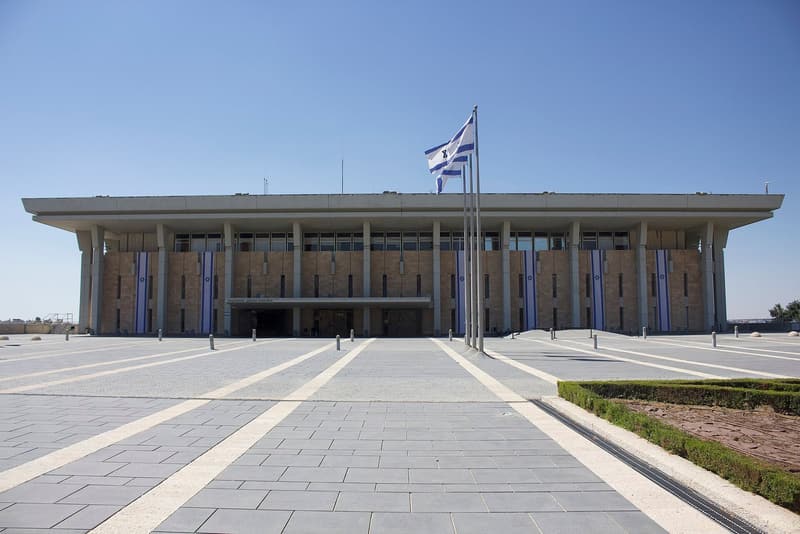
Representative photo · Photo: Clema12 / Wikimedia Commons, CC BY-SA 4.0
Israeli President Isaac Herzog faces a crucial decision on who will attempt to form a government after an inconclusive election left both Benjamin Netanyahu and Gadi Eisenkot without a clear parliamentary majority.
Israeli President Isaac Herzog is preparing to select a candidate to attempt forming a government following an inconclusive election outcome. Neither incumbent Prime Minister Benjamin Netanyahu nor his primary challenger, former military chief Gadi Eisenkot, secured an outright parliamentary majority during the recent vote.
During consultations concluded on Thursday, 67 out of 120 Knesset members endorsed Eisenkot, while 46 backed Netanyahu. Netanyahu fell short of his bloc's total after United Torah Judaism withheld support over coalition disagreements regarding military service exemptions for ultra-Orthodox citizens. President Herzog has noted that despite the numerical figures, mutual vetoes between and within various political blocs complicate the formation of a stable coalition.
President Herzog must choose who gets the first attempt at building an Israeli governing coalition.
No single bloc reached the 61 seats required for a parliamentary majority. Netanyahu heads a right-wing and religious alliance of 53 seats, four Jewish-led parties supporting Eisenkot hold 48 seats, and Arab-led factions hold 19 seats. Eisenkot has publicly ruled out bringing Arab-led parties into a government coalition, though he could potentially pursue a minority government or seek backing from ultra-Orthodox factions through policy concessions. Meanwhile, Netanyahu would need to convince an opposition party to join his side or establish a rotation-based unity government.
The chosen nominee will have 28 days to build a coalition, with a possible 14-day extension. If that candidate fails, another contender will be designated for a similar timeframe, followed by a potential third option backed by a parliamentary majority.
Why it matters
Eisenkot's bloc and Arab-led parties seek to oust Netanyahu, but failure to form a government could leave him in power. The outcome will determine the direction of Israeli leadership, the resolution of military conscription debates, and the potential inclusion or exclusion of Arab-led factions in the political process.
Sources
More like this
Los Angeles reacts to historic mayoral election
Stephen Miller Appointment Signals Trump's Commitment to Mass Deportation Agenda
MTG Warns Miller-Wiles Shakeup Threatens 2028 Republican Bid