Spring Snow Hits South-East Australia in Unseasonal Cold Front
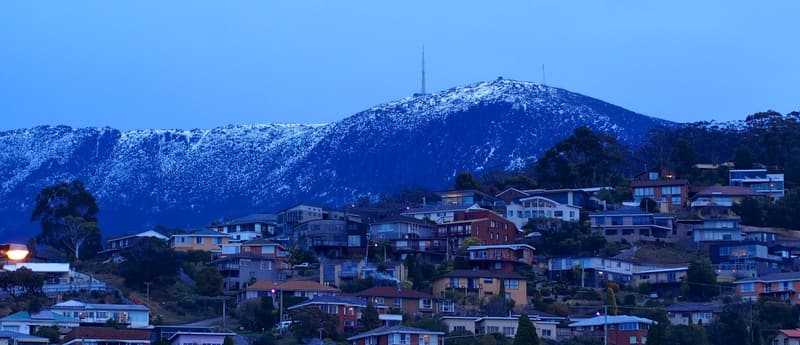
Representative photo · Photo: Paris Buttfield-Addison / Wikimedia Commons, CC BY 2.0
An unseasonal cold blast has brought spring snow to alpine regions and Tasmania across south-east Australia, surprising residents.
Parts of New South Wales, Victoria, and Tasmania experienced unexpected snow and cold conditions over the weekend as an unseasonal cold front swept across Australia's south-east. Ski resorts including Thredbo, Perisher, and Mount Hotham recorded snowfall, alongside kunanyi/Mount Wellington in Hobart. The unusual weather also brought hail to areas such as Kingston Beach Oval in Tasmania.
The Bureau of Meteorology anticipated the frosty system, which brought air moving north from the Antarctic region and pushed apparent temperatures significantly below seasonal forecasts. Major cities including Adelaide, Melbourne, Hobart, Canberra, and Sydney reported midday conditions that felt notably colder than 13 degrees Celsius. Canberra recorded the lowest perceived temperature at 5.3 degrees Celsius from a maximum of 12.9 degrees Celsius.
Unseasonal spring snow falls across south-east Australia amid a strong Antarctic cold front.
The chilly blast sparked numerous social media reactions from residents puzzled by the November snowfall. Retail staff shared footage of riding empty chairlifts amid the white landscape. Meanwhile, cities in the northern and western parts of the country, such as Brisbane, Perth, and Darwin, remained unaffected with warmer temperatures in the twenties and thirties.
Forecasters expect warmer conditions to return shortly, with capital cities anticipated to reach at least 20 degrees Celsius by Tuesday. Meteorological agencies note that this event precedes a strong El Niño pattern, which is predicted to drive hotter and drier conditions across the southern hemisphere over the coming summer months.
Why it matters
The sudden temperature drop highlights the erratic nature of regional weather systems during transitional months. While providing a brief wintry scene for alpine tourism workers, the broader meteorological context points toward increased risks of droughts and wildfires in the southern hemisphere as upcoming seasonal shifts take hold.
Sources
More like this

Australia Leads Cop31 UN Climate Talks Amid Fossil Fuel Debates

National Trust votes to seek new bank over fossil fuel ties

Rain Inundates Gaza as Damaged Buildings Risk Collapse