Air pollution surges in England as fog traps urban emissions
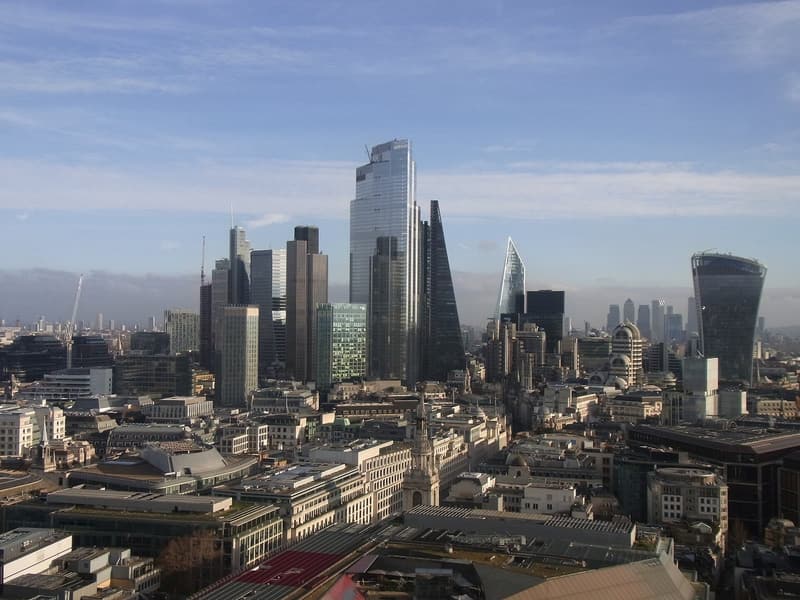
Representative photo · Photo: QuintusPetillius / Wikimedia Commons, CC BY-SA 4.0
Severe air pollution reached very high levels across English urban areas on Monday as calm, foggy weather trapped emissions following a weekend of celebrations.
Air pollution soared to very high bands across urban areas of England on Monday, as still and foggy weather prevented emissions from dispersing following a weekend filled with fireworks and bonfires. Government monitoring networks reported that 11 different sites, primarily located within London and Greater Manchester, reached the absolute highest tier on the official 10-point index for particulate matter during the 24-hour period leading up to 10am. An additional 27 monitoring locations recorded high levels of pollution across the capital, the north-west, the Midlands, Yorkshire, and the east of England.
The most severe reading was recorded in Hillingdon, situated in west London. Here, fine particles known as PM2.5 reached a staggering 24-hour average of 129 micrograms per cubic metre, which is more than eight times higher than the daily guideline established by the World Health Organization. Meanwhile, in the north-west of the country, monitoring stations in Manchester Piccadilly, Wigan, Blackburn, Preston, and Rochdale all climbed into the very high pollution band.
Particulate matter is made up of microscopic solid particles and tiny liquid droplets suspended directly in the air. Prolonged or heavy exposure to these substances is closely linked to severe heart and lung diseases, as well as cancer. Officials from environmental organizations noted that domestic wood burning, industrial activity, and regular transport are the biggest underlying contributors to this specific type of air pollution.
Trapped emissions and stagnant fog pushed air pollution to very high levels across urban England.
Jane Burston, chief executive of the Clean Air Fund, explained that the dangerous conditions resulted from a combination of calm, windless fog and autumn festivities like Diwali, bonfires, and fireworks. She warned that the pollution poses serious health risks, noting that individuals with asthma or lung conditions are vulnerable to severe coughing, wheezing, and attacks. Larissa Lockwood, director of campaigns at Global Action Plan, called for public health campaigns, burn alerts, and a gradual phase-out of non-essential domestic burning in towns and cities to prevent similar health crises in the future.
Local authorities and mayoral representatives responded by issuing high air pollution alerts. A spokesperson for the mayor of London confirmed that warnings were released following specialized forecasting advice, noting that pollution levels climbed sharply from Friday through Sunday before remaining heavily elevated into Monday morning. Officials across Greater Manchester similarly reminded residents that light winds and fog routinely create conditions where seasonal particulate matter accumulates near ground level.
Why it matters
This severe air pollution event directly impacts public health across major English urban centers, creating immediate breathing hazards for vulnerable residents with pre-existing respiratory issues. The convergence of stagnant weather and seasonal celebrations highlights ongoing challenges related to domestic wood burning and urban transport emissions.
Sources
More like this
Energy Secretary says cutting bills is overriding aim for climate action
Rising UK Costs Test Government Net Zero Ambitions

Gaza authorities slam global inaction after mudslide kills five in Deir el-Balah