The European Revolt May Be Coming to the UK
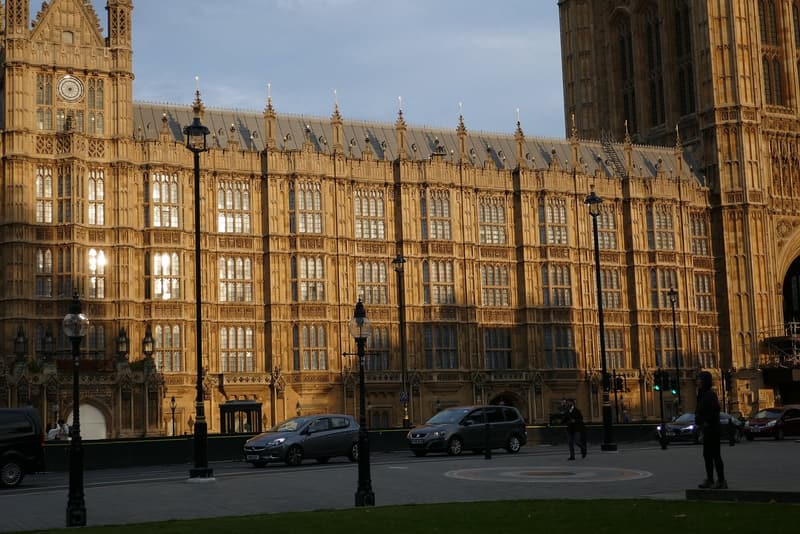
Representative photo · Photo: RachelH_ / Wikimedia Commons, CC BY 2.0
Thousands of students across the UK have walked out of classes, marking a potential shift toward the widespread civil unrest currently seen across Europe.
A wave of student-led demonstrations has swept across the United Kingdom, signaling that the European revolt may be coming to British shores. Thousands of students from hundreds of schools and universities, spanning from Aberdeen to Brighton and Swansea to Nottingham, participated in walkouts. This mobilization represents one of the largest student-led actions since the 2010 tuition fee protests.
A Growing European Revolt
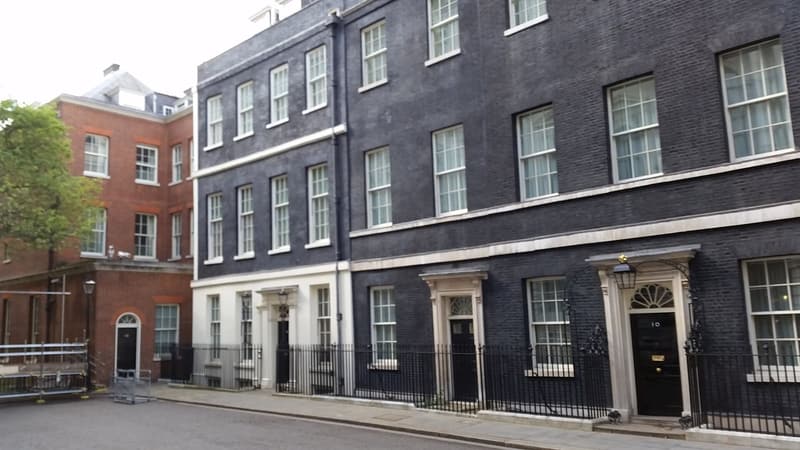
These demonstrations were coordinated by organizations linked to the International Conference Against War, a pan-European initiative. The University and College Union (UCU) led the way in support, followed by major unions including Unison, Unite, the National Education Union, GMB, and the Educational Institute of Scotland. In London, protesters marched from universities to Trafalgar Square and Downing Street, condemning government priorities that favor defense spending over public services and education.
British youth are mobilizing in mass protests against austerity, militarism, and declining living standards.
Young people in the UK are facing a convergence of economic challenges, including high inflation, unemployment, and a housing crisis. Government data indicates that over one million individuals aged 16 to 24 are not in education, employment, or training. Many students express frustration over an education system they find increasingly unaffordable and dysfunctional, often describing university management strategies as academic vandalism.
Critics point to the government's focus on austerity and market-driven solutions, such as the controversial report by former Labour minister Alan Milburn, which suggests cutting benefits for youth. Meanwhile, military spending has increased significantly, with the previous administration allocating an additional 15 billion pounds to defense before leaving office. This shift toward rearmament, often tied to NATO obligations and strategic defense reviews, has drawn sharp criticism from a generation facing diminishing public resources.
Why it matters
The current unrest highlights a deepening social and economic crisis that threatens to destabilize the government. With a history of seven prime ministers in a decade failing to address wealth inequality, the youth are demanding structural change. This movement represents a significant test for the current administration, as the demand for lasting political and economic reform continues to grow across Europe.
Sources
More like this

MP Criticises Guernsey and Jersey Company Ownership Plans

Why Somalia turned against its former ally the UAE
Europe Faces Election Supercycle That Could Test European Union