
GCC Agrees to Establish Advanced Military Headquarters in Kuwait
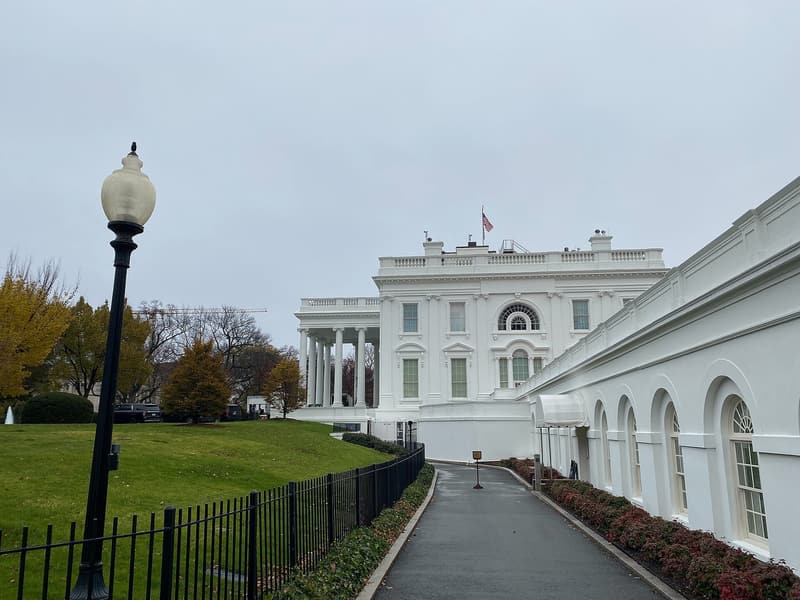
Representative photo · Photo: Salwa Farwaneh Dameh / Wikimedia Commons, CC0
Defense ministers from the Gulf Cooperation Council have agreed to station appropriate military forces at a new advanced command headquarters in Kuwait.
Defense ministers representing member states of the Gulf Cooperation Council gathered in Bahrain and reached an agreement to establish an advanced headquarters for their Unified Military Command in Kuwait. According to announcements from the GCC General Secretariat, plans include stationing appropriate military forces at this new facility. The decision highlights ongoing efforts to boost defense coordination across the region.
The leadership of the GCC states continues to stress the importance of strengthening this collective journey to effectively address both current and future challenges. Although the agreement has been formally announced, specific details regarding the exact configuration of the headquarters, as well as the precise number and type of troops slated for deployment, remain undisclosed at this time.
Established at a summit in Kuwait back in December 2013, the Unified Military Command was originally created to supervise joint military operations and improve collective defense capabilities. Its core mission involves safeguarding member states concerning their territory, airspace, maritime zones, and shared interests. The organization itself comprises six United States-allied nations: Bahrain, Kuwait, Oman, Qatar, Saudi Arabia, and the United Arab Emirates.
GCC defence ministers agreed to set up an advanced military command headquarters in Kuwait.
This renewed focus on defense coordination comes as most Gulf countries host major US military installations and face heightened regional tensions. Several nations experienced direct security threats after being targeted in missile and drone attacks following the onset of the US-Israel war on Iran. The ongoing conflict has severely disrupted regional air travel and shipping lanes, while also generating widespread anxiety regarding the safety and security of vital oil and gas exports.
Furthermore, the conflict involving Iran has triggered renewed fighting in Yemen, where escalating clashes between the Iran-aligned Houthis and Saudi-backed forces have plunged the area back into uncertainty. This instability followed the collapse of a United Nations-brokered ceasefire that had largely held since 2022. The Houthis have also expanded their attacks by targeting sites inside Saudi Arabia, including a recent strike on the capital's international airport that caused numerous casualties.
Why it matters
The establishment of a dedicated advanced military headquarters in Kuwait marks a significant step in formalizing regional security cooperation among Gulf allies. By reinforcing their Unified Military Command, member states aim to present a more cohesive defense posture against escalating regional threats and missile attacks.
This enhanced coordination directly affects the security of vital shipping routes and energy exports originating from the region. While the agreement focuses on regional defense mechanisms, strengthening stability in the Gulf remains crucial for maintaining global energy supplies and safe international trade corridors.
Sources
More like this

Israeli forces kill 14-year-old Palestinian boy in West Bank operation
Oil prices drop as Trump declares US war on Iran is ending

Moving Beyond the First Move in Iran-US Diplomacy