Greenpeace creates barrier in North Sea to stop industrial fishing
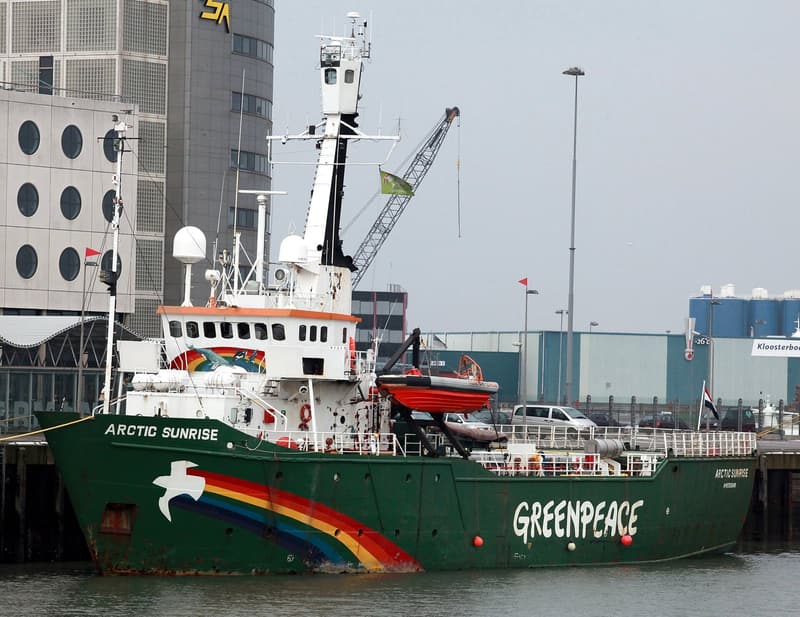
Representative photo · Photo: Joost J. Bakker from IJmuiden / Wikimedia Commons, CC BY 2.0
Environmental activists have dropped large stones in the North Sea to block bottom trawlers from operating within a marine protected area.
Campaigners aboard the vessel Arctic Sunrise have deployed heavy stones into the North Sea to construct an underwater barrier designed to catch the nets of commercial fishing vessels operating inside a designated marine reserve. Activists created the obstruction around the Southern North Sea marine protected area, which is identified as the most heavily bottom-trawled marine zone in the United Kingdom.
Greenpeace North Sea Action
The Southern North Sea holds significant ecological value for harbour porpoises, providing a habitat for nearly twenty percent of the UK North Sea population. Despite holding protected status, the vast majority of the zone lacks fishing restrictions, allowing dredgers, bottom trawlers, and various industrial vessels to scour the seabed daily. Official records show that bottom trawling units logged upwards of 37,200 fishing hours within the protected area during 2025.
Activists placed boulders in the North Sea to block bottom trawlers from a protected marine zone.
Leadership from the environmental organisation noted that massive commercial vessels continuously strip the waters of fish while harming vulnerable wildlife such as sea birds, sharks, and porpoises. The newly established stone barrier has successfully closed 116 square kilometres of the protected zone to bottom trawling operations. The patrol ship is scheduled to monitor the location over subsequent days to prevent other forms of industrial fishing activities.
The timing of the environmental intervention coincided with the nationwide broadcasting launch of a major marine wildlife documentary series narrated by David Attenborough. Analysis by the campaigning group revealed that bottom trawlers and dredgers impacted a cumulative 55,600 square kilometres of protected seabeds throughout 2025.
Several prominent political figures expressed support for the initiative, including a Labour Member of Parliament who serves on the parliamentary group for the ocean. Supporters argued that industrial fishing causes severe harm to marine habitats while a very small percentage of local waters remain shielded from such practices.
Why it matters
This direct intervention highlights ongoing debates regarding regulatory enforcement within designated marine conservation zones where commercial fishing remains largely unrestricted. The initiative seeks to preserve vulnerable porpoise populations and protect fragile seabed ecosystems from continued industrial disruption.
Sources
More like this
Colorado Town Braces for Historic Floods as Heavy Rains Hit South-West

Thousands Evacuated in India as Cyclone Murasu Nears Coast
Blackpool coastal protection verdict delayed following safety concerns