How would Tehran respond if the US and Israel bomb Iran again?
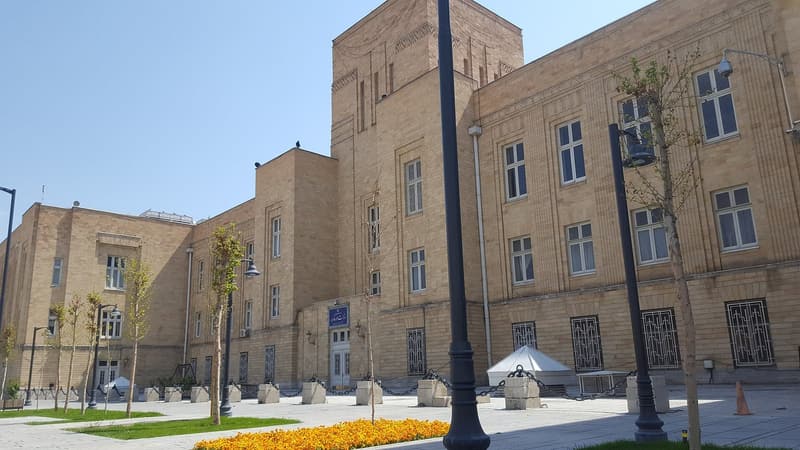
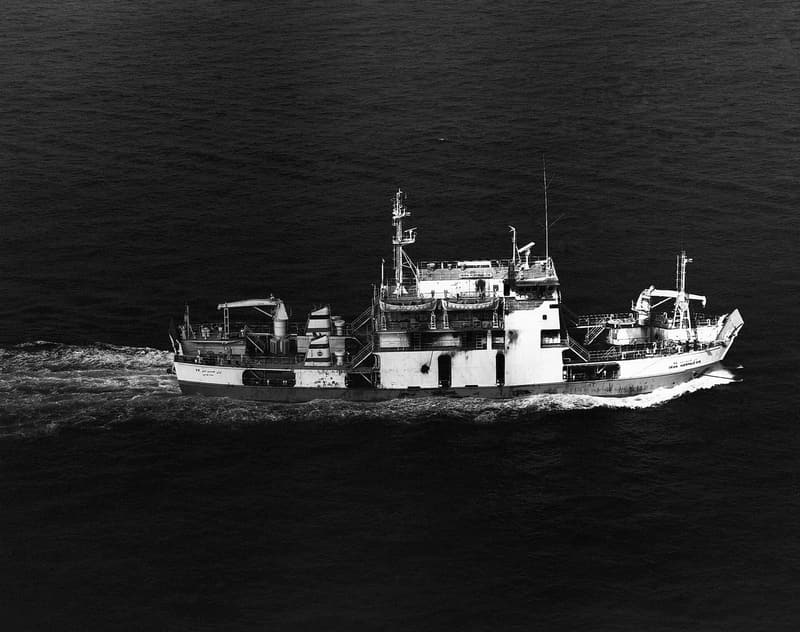
Representative photo · Photo: Unknown author Unknown author / Wikimedia Commons, Public domain
Iranian military officials warn that any renewed conflict with the United States and Israel will be longer and more costly than anticipated.
Tehran, Iran – Iran’s military is warning that if all-out war breaks out again with the United States and Israel, it will be longer and more costly than their rivals expect. Observers often wonder how authorities plan to counter advanced adversaries after months of regional tensions and prior military strikes.
Iran’s armed forces could deploy new weapons and tactics against the US, Israel and other countries, marking the third major conflict between the nations since June last year. There are increasing signs that the ongoing confrontation could restart following the US midterm elections. President Donald Trump stated that the conflict will end soon and urged Tehran to reach a deal or face severe consequences.
Hossein Kanani Moghaddam, a former senior Islamic Revolutionary Guard Corps commander, told Al Jazeera that despite extensive blows earlier this year, Iranian forces are in better operational shape now. He highlighted that offensive capabilities, missile accuracy, warheads, and drone technologies have all advanced significantly.
Commanders from the General Staff of Armed Forces, the IRGC, and the Army recently met with Supreme Leader Mojtaba Khamenei to discuss retaliatory steps. Officials stated that any future response would be immediate and could extend beyond the West Asia region. Army spokesman Mohammad Akraminia noted that forces would rely on asymmetric warfare tactics to offset superior military equipment, utilizing renovated weaponry and new tactics.
According to a recent Reuters investigation, various military agencies evaded sanctions to funnel billions into military imports from China, Russia, and Germany. These shipments included rocket propellants, explosives, detonators, titanium, and heavy-duty trucks to replenish the IRGC's missile and drone production.
Iran's military warns a renewed conflict with the US and Israel would be longer and costlier.
Despite these military preparations, civilian infrastructure remains highly vulnerable. Cities across Iran lack adequate bomb shelters or early warning systems, and the national electricity grid, oil and gas facilities, petrochemical plants, and transport networks face severe risks if hostilities resume.
Why it matters
This brewing escalation highlights the stark contrast between Iran's expanding military hardware production and the unprotected state of its civilian population and critical infrastructure. With key economic sectors and leadership security under intense scrutiny, any renewed hostilities could deeply disrupt regional stability and domestic life alike.
Sources
More like this
Karl Bushby returns to Hull after while on 28-year walk

Wizz Air flight from London makes emergency landing after bomb threat

NSW Council Refuses Gaza Art Installation Over Safety Concerns