India Approves Electricity Imports for Nepal Up to 350 MW
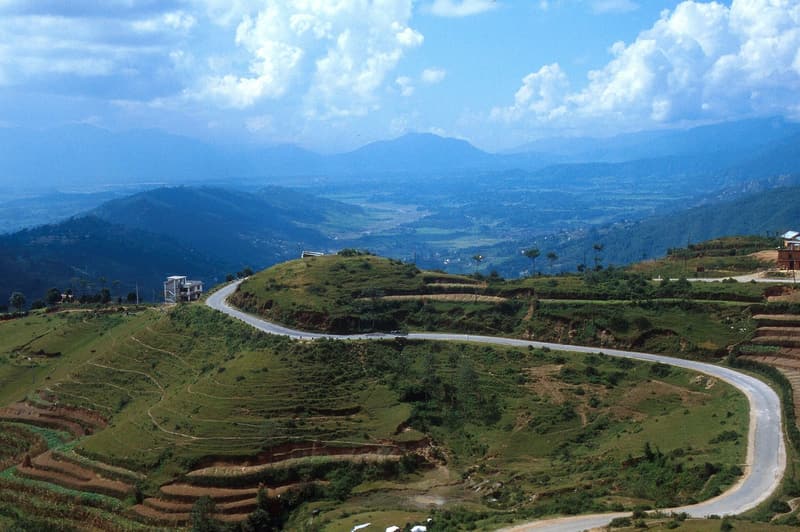
Representative photo · Photo: U.S. Department of Agriculture / Wikimedia Commons, Public domain
Nepal has secured approval to import up to 350 MW of electricity from India to bolster its power grid during the winter months.
The government of India has granted formal clearance for Nepal to import up to 350 MW of electricity, a move designed to stabilize the nation's energy supply. This decision comes as Nepal faces significant challenges in maintaining its power generation capacity, particularly with the arrival of winter. While many residents and travelers often look forward to the pleasant weather and the variety of seasons India offers, the energy sector must contend with the practical realities of seasonal fluctuations in power output.
Managing energy during the seasons in India
Hydroelectric power remains the backbone of Nepal's electricity grid, but recent environmental factors have severely hampered production. Decreasing water levels, combined with extensive damage to local power infrastructure caused by recent floods, have created a critical deficit in domestic energy supply. By securing this cross-border import agreement, Nepal aims to mitigate the risk of widespread power shortages that typically occur when local generation fails to meet peak winter demand.
India has approved the import of up to 350 MW of electricity to support Nepal's winter power needs.
This authorization allows for a substantial influx of power to supplement the existing grid, though officials note that approximately 431 MW of potential capacity remains off-grid for the time being. The collaboration highlights the ongoing energy cooperation between the two nations, which serves as a vital lifeline for Nepal's industrial and residential sectors during periods of climate-induced instability. By leveraging regional power sharing, Nepal can better manage the transition through the colder months despite the recent setbacks to its own infrastructure.
Why it matters
This decision is a critical step for winter preparedness in Nepal, ensuring that essential services and households have access to a reliable energy supply despite the recent decline in local hydropower output. The arrangement helps stabilize the grid following severe flood damage, directly impacting the availability of electricity for the region.
For readers in India and the broader South Asian region, this development underscores the importance of cross-border energy infrastructure in maintaining regional stability. As climate-related damage to local power networks becomes more frequent, such collaborative agreements serve as a necessary tool for maintaining energy security across borders.
Sources
More like this

Latin America's mega-prisons: Evaluating the El Salvador model
Why NYT Report Linking Iranian Dams to Missiles Sparks Backlash

Fears Grow Over US Sanctions on ICJ Judges Ahead of Myanmar Genocide Ruling