Widow seeks answers after husband exposed to toxic lagoon fire dies of cancer
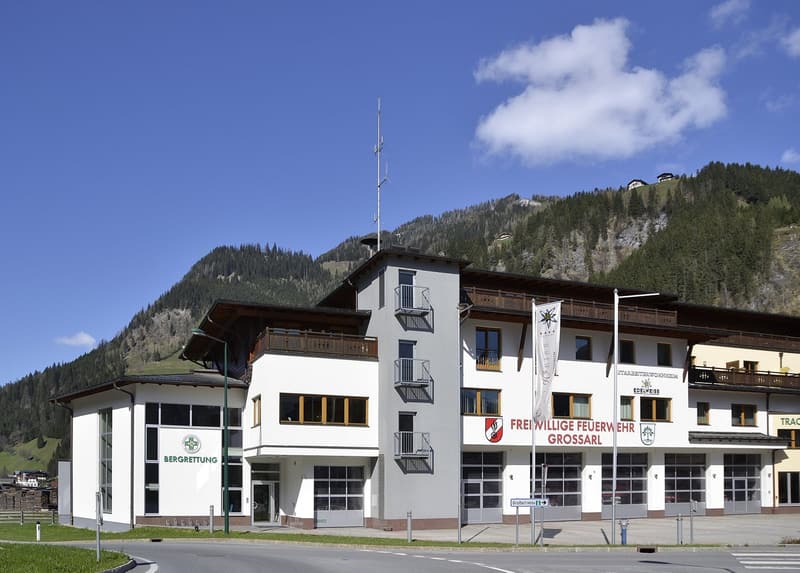
Representative photo · Photo: High Contrast / Wikimedia Commons, CC BY 3.0 de
Jilska Williams is calling for health testing for firefighters after her husband died of a rare cancer following a 1980 chemical blaze.
The family of a former firefighter is demanding answers after his death from a rare, terminal illness, as they try to understand if they really want to know what caused his condition. Steve Williams was just in his 20s when he was deployed to tackle a massive fire at the Llwyneinion lagoon near Wrexham in August 1980. The site, which served as a dumping ground for chemical waste, burned for two days, sending thick black smoke across the region. During the operation, Williams slipped and fell into the chemical-laden water. Although he was rescued and received a tetanus shot, his widow, Jilska Williams, believes that the exposure to the toxic fluids and smoke was a death sentence waiting to happen.
A legacy of chemical exposure
Years after the incident, the couple moved to Australia, where Williams was diagnosed with stage four small cell carcinoma in 1994. He passed away shortly after at the age of 39. His widow, a retired nurse, argues that the incident at the lagoon was a double-whammy of chemical exposure that likely triggered his terminal diagnosis. The Llwyneinion site was known to contain polychlorinated biphenyls (PCBs), chemicals once favored for their durability but now classified as persistent "forever chemicals" that threaten human health and the environment. Recent investigations, including a documentary featuring Michael Sheen, have identified elevated PCB levels in soil samples near the site and other former disposal areas across Wales.
Firefighters exposed to the 1980 Llwyneinion lagoon fire are calling for health screenings for potential carcinogens.
Eleven families of firefighters who attended the 1980 blaze have come forward with health concerns, citing high rates of cancer and reports of miscarriages among partners in the year following the event. Andy Moore, a colleague who assisted in the firefighting efforts, noted that the responders were not equipped to handle the specific chemical hazards present at the dump. While Wrexham council maintains that the site does not meet the legal definition of contaminated land, it continues to monitor the area. A fire chemistry expert has noted the difficulty in establishing a direct causal link between historical chemical exposure and later health issues, yet the affected families remain determined to secure testing for surviving responders.
Why it matters
The case highlights the long-term health risks faced by emergency responders dealing with industrial waste sites. It underscores the potential for environmental negligence to cause delayed, fatal health consequences for those on the front lines, prompting calls for better protection and medical screening for firefighters.
Sources
More like this
Gun control advocate faces recovery after Washington DC mass shooting
Yvette Cooper Announces New Health Support for Vulnerable People in England
Sudan War Triggers Surge in Drug Addiction Amid Widespread Traumas