Business
India records significant decline in poverty rates according to World Bank report
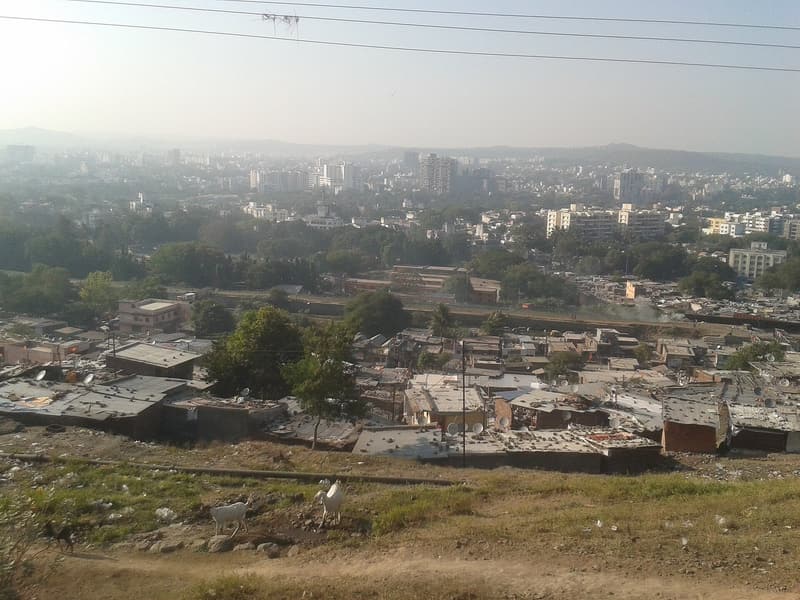
Representative photo · Photo: Unknown author Unknown author / Wikimedia Commons, Public domain
Representative photo · Photo: Unknown author Unknown author / Wikimedia Commons, Public domain
A recent World Bank report highlights a major reduction in extreme poverty levels across India, marking one of the fastest declines globally.
As one of the world's largest economies, India records significant progress in its efforts to alleviate poverty, particularly regarding extreme poverty levels in recent years. New data from the World Bank indicates a substantial shift in the economic landscape, showing that the country has managed to lower its poverty rates from 27.1% down to 2.6%. This rapid transition reflects a period of notable development for the nation's most vulnerable populations.
While the macro-economic data points toward a positive trajectory, financial experts often remind individuals that personal wealth management remains a distinct challenge. For those looking to plan for their own financial future, tools like a Mutual Fund Calculator can help estimate the future value of investments, though these figures remain projections based on market variables rather than guaranteed outcomes.
India has achieved one of the world's fastest reductions in extreme poverty, dropping from 27.1% to 2.6%.
Economic analysts observe that such large-scale improvements in poverty metrics are often tied to broader structural changes within the economy. As the country continues to navigate its growth path, the focus remains on sustaining these gains while addressing the remaining pockets of economic hardship. The data serves as a significant benchmark for policymakers and international observers tracking the development of South Asian economies.
The reduction in extreme poverty is a transformative development for India, as it directly impacts millions of citizens by improving their standard of living and access to basic resources. For readers in India and the broader South Asian region, this shift signifies a changing economic reality that could influence future policy decisions, social welfare programs, and the overall growth trajectory of the nation.