
World Bank Praises India's Water Management Initiatives
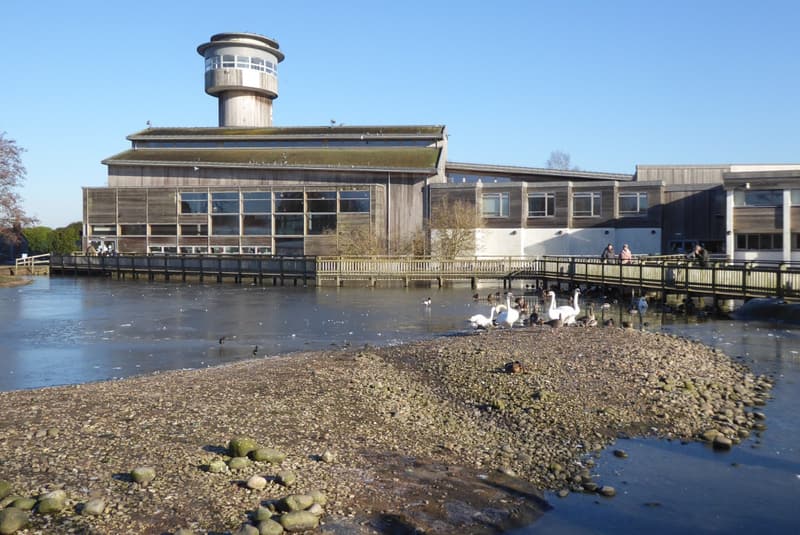
Representative photo · Photo: ajay_suresh / Wikimedia Commons, CC BY 2.0
A senior World Bank official has lauded India's progress in improving drinking water access, restoring rivers, and strengthening dam safety.
India's water management initiatives have been recognized globally as a model for developing countries, according to a senior World Bank official. Speaking ahead of the upcoming United Nations Water Conference, the institution's Global Director for Water described the nation's progress as an exceptional success story that provides practical solutions for other nations facing similar resource challenges.
Saroj Kumar Jha noted that India has made unprecedented strides in both urban and rural areas. Among the standout efforts, the Jal Jeevan Mission successfully reached 800 million people with improved drinking water access in under seven years. Furthermore, the Swachh Bharat Mission has inspired similar sanitation efforts internationally, such as Nigeria's Clean Nigeria campaign, highlighting how strong governmental leadership and public participation can drive effective reforms.
India's World Bank Loan and Progress
Beyond drinking water, the country has achieved notable success in ecological restoration and infrastructure resilience. The Namami Gange Programme has been instrumental in reducing pollution and improving the overall health of the Ganga River, with financial backing provided for the National Mission for Clean Ganga. Additionally, World Bank funding has aided in strengthening the structural resilience of nearly 900 dams across the country while establishing dedicated centers of technical excellence.
India's successful water management strategies are serving as a vital blueprint for developing nations worldwide.
Preparation for the upcoming UN Water Conference in Abu Dhabi is well underway, with India expected to dispatch a large high-level delegation. The nation will also host a specialized side event focusing on river cities to promote water security and urban resilience.
Why it matters
This global recognition highlights how large-scale administrative frameworks and community-driven initiatives can successfully tackle complex environmental challenges. By establishing practical implementation models in sanitation, river cleanup, and dam safety, the country offers actionable solutions that other developing nations in the Global South can replicate to improve resource security.
Sources
More like this

Cop31 Enters Second Day in Turkey With Slight Drop in Emissions

Hampshire conservation project to install 900 artificial house martin nests
The Wetland Conservation Legacy and the Fight Against Climate Change