Indonesia's Toxic Haze Strains Diplomatic Ties in Southeast Asia
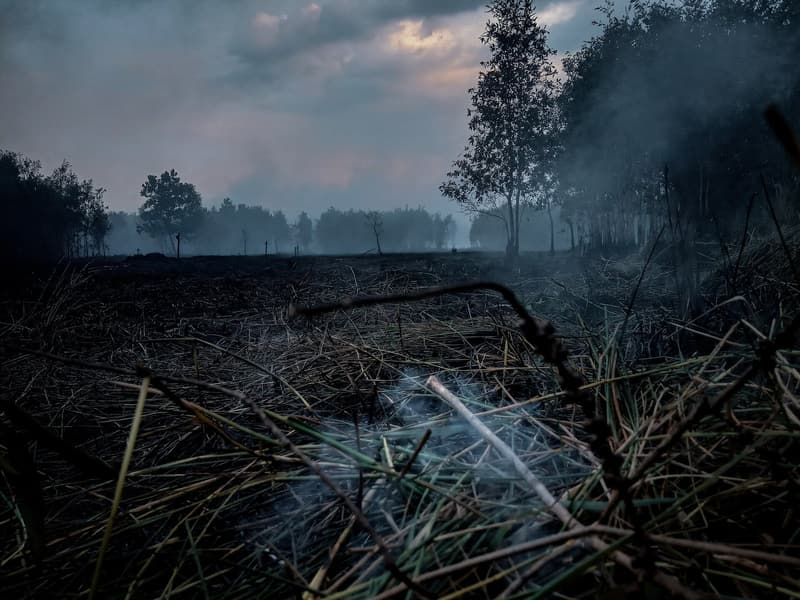
Representative photo · Photo: Muhammad Pasya Ramadhan / Wikimedia Commons, CC BY-SA 4.0
Persistent wildfires in Indonesia are causing a toxic haze across Southeast Asia, triggering public outcry and diplomatic tensions between regional neighbors.
The recurring issue of Indonesia's toxic haze has once again blanketed Southeast Asia, drifting from wildfires in Kalimantan, Papua, and Sumatra into Singapore and Malaysia. The smog, intensified by a severe El Niño weather pattern, has persisted for weeks, causing significant respiratory health concerns and headaches for local populations. As the smoke crosses borders, regional governments are finding themselves caught between the urgent demands of their citizens and the delicate task of maintaining diplomatic relations with Jakarta.
Managing the Indonesia toxic haze crisis
Public frustration is mounting, particularly in Singapore and Malaysia. In Malaysia, citizens have begun boycotting Indonesian products, following calls from officials to sanction companies linked to the blazes. Meanwhile, Singaporeans have expressed dissatisfaction with their own government's response, arguing that authorities should have been better prepared for the impact of the El Niño phenomenon. In response, Singaporean officials have established haze shelters, distributed masks to vulnerable residents, and launched investigations into ten companies for potential links to the fires.
The regional air quality crisis has created significant diplomatic friction between Indonesia and its neighbors.
Diplomatic relations have been tested by the rhetoric surrounding the disaster. A senior Indonesian official recently suggested that the fires were beyond human control and noted that neighboring countries also benefit from Indonesian oxygen. This comment was described as disappointing by Singaporean Senior Minister K. Shanmugam, who emphasized that the health of citizens on both sides of the border must take precedence over bilateral disputes. Shortly after this exchange, Indonesia announced a reduction in gas exports to Singapore, citing domestic energy needs, though officials in the city-state maintain the impact on their energy supply will be minimal.
While Indonesian President Prabowo Subianto and Singaporean Foreign Minister Vivian Balakrishnan have met to establish a joint task force, the situation remains volatile. Analysts suggest that the recurring nature of the haze often triggers a familiar pattern of regional finger-pointing, complicating efforts to hold industrial polluters accountable for land clearing practices.
Why it matters
The ongoing haze crisis forces a confrontation between environmental accountability and regional sovereignty. It highlights the vulnerability of Southeast Asian nations to climate-driven disasters and tests the limits of diplomatic cooperation when public health and national interests collide.
Sources
More like this
Calls for Enhanced Military Protection in the Shetland Isles

Authorities Provide Update on Fatal Florida Learjet Crash

Student protests resume in France as pupils return to school