Iran Lawmakers Call for Withdrawal from NPT Amid Ongoing Conflict
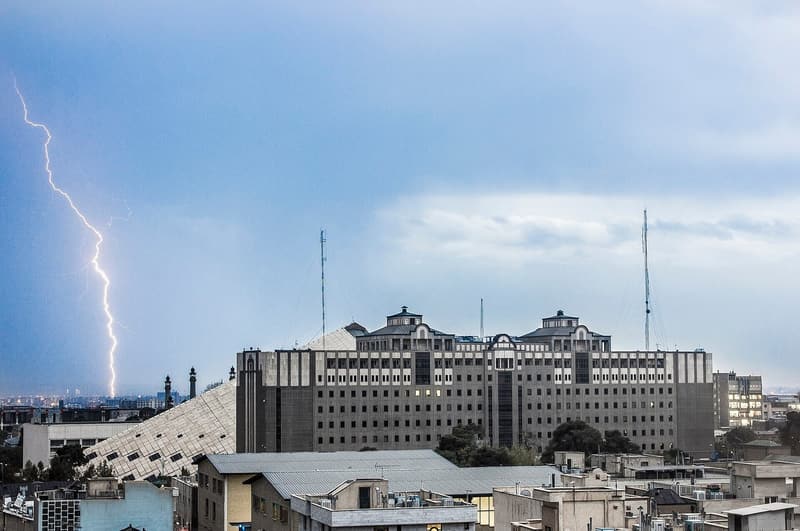
Representative photo · Photo: Mahdifa33 / Wikimedia Commons, CC BY-SA 4.0
Several Iranian politicians are pushing to exit the Nuclear Non-Proliferation Treaty as the ongoing war enters its ninth month and peace talks resume.
As the conflict in the region approaches its ninth month, a group of Iranian legislators has publicly urged the country to pull out of the international agreement known as iran npt. The push to exit the landmark accord comes alongside ongoing diplomatic efforts mediated by Qatar, following statements from US President Donald Trump indicating that the war might soon conclude.
Legislator Mahmoud Nabavian recently stated that after bearing the substantial costs of the conflict and international sanctions, the nation should reconsider its nuclear stance and leave the treaty. Within the Iranian parliament, Ebrahim Rezaei noted that multiple formal proposals concerning a potential withdrawal have been registered and remain under active review. Additionally, public figures like Mohammad Javad Haj Ali Akbari described a revision of the nation's nuclear framework as a popular demand during recent public addresses.
Withdrawal from the nuclear treaty does not mean that Iran would build a nuclear weapon, observers say.
These domestic political maneuvers follow recent tensions with the International Atomic Energy Agency. Last month, an IAEA resolution raised concerns regarding compliance issues under the treaty, drawing sharp criticism from Tehran, which dismissed the agency's stance as politically driven. Access to critical atomic sites, such as the facilities in Fordow, Natanz, and Isfahan, has been restricted since strikes occurred during earlier phases of the hostilities.
Meanwhile, broader economic pressures continue to mount globally due to the closure of maritime routes near the Strait of Hormuz. Iranian Foreign Minister Abbas Araghchi responded firmly to recent comments from European officials regarding escalating regional energy costs, warning that any further escalations would carry severe consequences for foreign nations involved.
Why it matters
A potential exit from the atomic accord could significantly alter diplomatic pathways to resolving the current conflict and impact international security frameworks. While observers note that leaving the treaty does not automatically signal the creation of a weapon, any shift in doctrine affects global energy markets and ongoing peace negotiations involving regional mediators.
Sources
More like this
New Yemen fighting displaces 290,000 as UN warns of risks

On the Norway-Russia border, the Sámi people face a growing divide
Sudanese artists fight to save cultural heritage