On the Norway-Russia border, the Sámi people face a growing divide
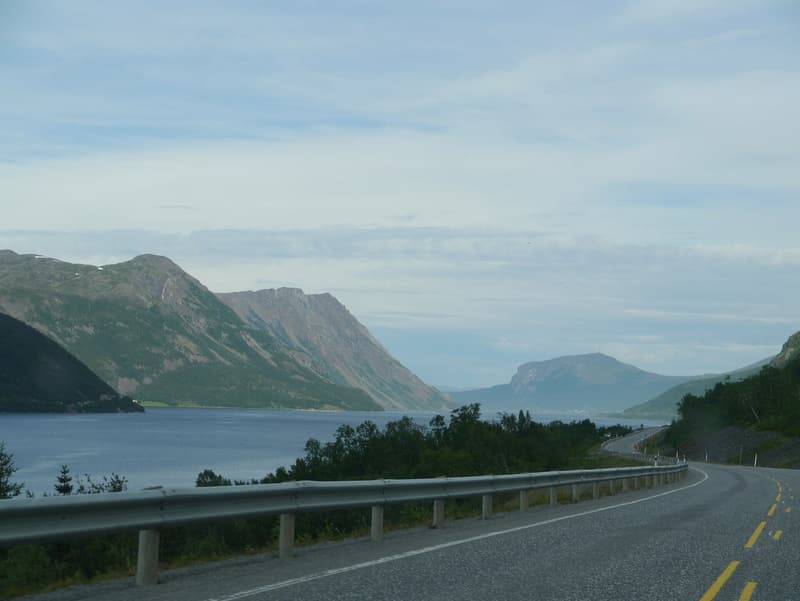
Representative photo · Photo: Zairon / Wikimedia Commons, CC BY-SA 4.0
As security tightens along the norway-russia border, Indigenous Sámi communities struggle to maintain their traditional cross-border lifestyle.
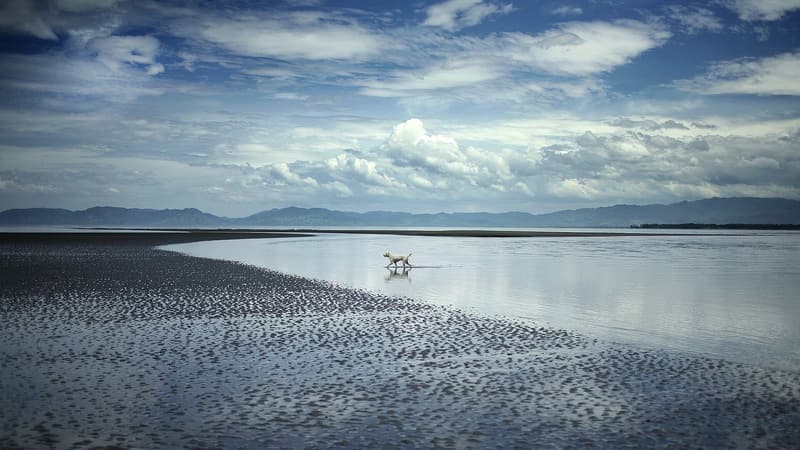
Along the shores of the Neiden Fjord in Norway’s northernmost county of Finnmark, the landscape has long been connected by centuries of shared traditions. However, the norway-russia border is experiencing a significant shift as increased security transforms the Arctic frontier. Since Norway and Russia fixed their boundary in 1826, Sámi communities have been divided by the national line, yet they managed to establish a flexible cross-border lifestyle supported by visa-free travel agreements for residents living within 30km of the frontier.
Security has tightened notably since the onset of Russia's full-scale war on Ukraine, leading to heightened bureaucracy and restrictions on reindeer herding, language revitalisation, and hunting traditions. Border crossings have halted as locals grow fearful of accidental violations or political repercussions amid a tense regional climate. While tourism businesses in Kirkenes that rely on Asian and Finnish visitors have weathered the changes, local shops have suffered severe income losses due to the drastic decline in Russian tourists.
Tightening security along the Arctic frontier disrupts centuries-old Sámi traditions and regional economies.
Navigating the norway-russia border
Daily life for residents and tourists near the frontier now involves strict adherence to permits, regulations, and surveillance. Expat tour operators and hikers must navigate the desolate terrain carefully to avoid crossing unmarked or poorly demarcated boundaries that carry heavy fines. Meanwhile, Sámi herders attempting to track livestock with modern GPS technology face disruptions from regional jamming and spoofing, complicating traditional round-up practices that have survived for generations.
Why it matters
The fragmentation of communities along the Arctic frontier highlights how geopolitical conflicts directly impact Indigenous cultures and regional economies. As cross-border friendships are put on hold and local businesses struggle with lost tourism revenue, the traditional lifestyle of the Sámi people faces unprecedented administrative and security hurdles.
Sources
More like this
New Yemen fighting displaces 290,000 as UN warns of risks
Sudanese artists fight to save cultural heritage
Iran Lawmakers Call for Withdrawal from NPT Amid Ongoing Conflict