Iranian Leaders View US Midterms as Rejection of War
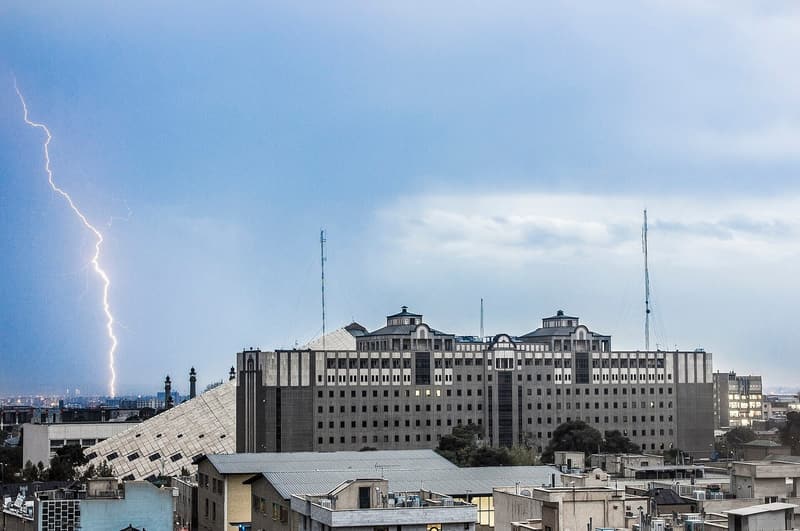
Representative photo · Photo: Mahdifa33 / Wikimedia Commons, CC BY-SA 4.0
Iranian authorities interpret Republican midterm losses as an American rejection of the war on Iran, while analysts warn Trump may still strike.
Iranian authorities are characterizing the recent sweeping midterm election defeats for United States President Donald Trump’s Republican Party as a clear repudiation by the American public of the ongoing war on Iran. Tehran views the outcome as a sign of deep domestic frustration with US foreign policy, though analysts caution that the threat of military action remains.
Parliament Speaker Mohammad Bagher Ghalibaf stated that Americans chose to say no to war. Meanwhile, the head of the judiciary, Gholam-Hossein Mohseni-Ejei, asserted that Trump has suffered defeats in both war and politics. Across the country, cities marked the anniversary of the 1979 US embassy seizure with demonstrations, rallies, and newly unveiled billboards depicting the US president behind prison bars, reflecting intense public focus on iranian trump developments and political tensions.
Iranian leaders view US midterm election results as a definitive American public rejection of the war on Iran.
Analyst Sanam Vakil of Chatham House noted that while the electoral defeat increases pressure to end the conflict, it does not rule out further military strikes as the administration seeks a diplomatic off-ramp without appearing weak. Hamidreza Azizi of the International Crisis Group added that the perceived victory among decision-makers in Tehran is likely to make them more uncompromising on core demands, such as conditions for reopening the Strait of Hormuz and nuclear concessions.
Barbara Slavin of the Stimson Center expressed concern that the US president might utilize the lame-duck period to launch additional attacks, given his substantial powers as commander-in-chief before a new Congress takes office. Nonetheless, state-linked media in Tehran continue to celebrate hawkish Republican losses.
Why it matters
Tehran views the midterm results as a rejection of Trump's 'war on Iran', signalling US frustration with foreign policy. This shift alters the diplomatic landscape in the Persian Gulf, potentially affecting regional stability, shipping lanes, and energy markets as leadership in Iran hardens its negotiating stance.
Sources
More like this

Kosovo Protests Erupt After Woman Killed Despite Seeking Police Help

Palestine Action Supreme Court Case Challenges Terrorist Group Proscription

BBC Seeks to Reassure Jewish Staff After Former Producer Raises Concerns