Smuggling, power, profit: Irregular migration out of eastern Libya
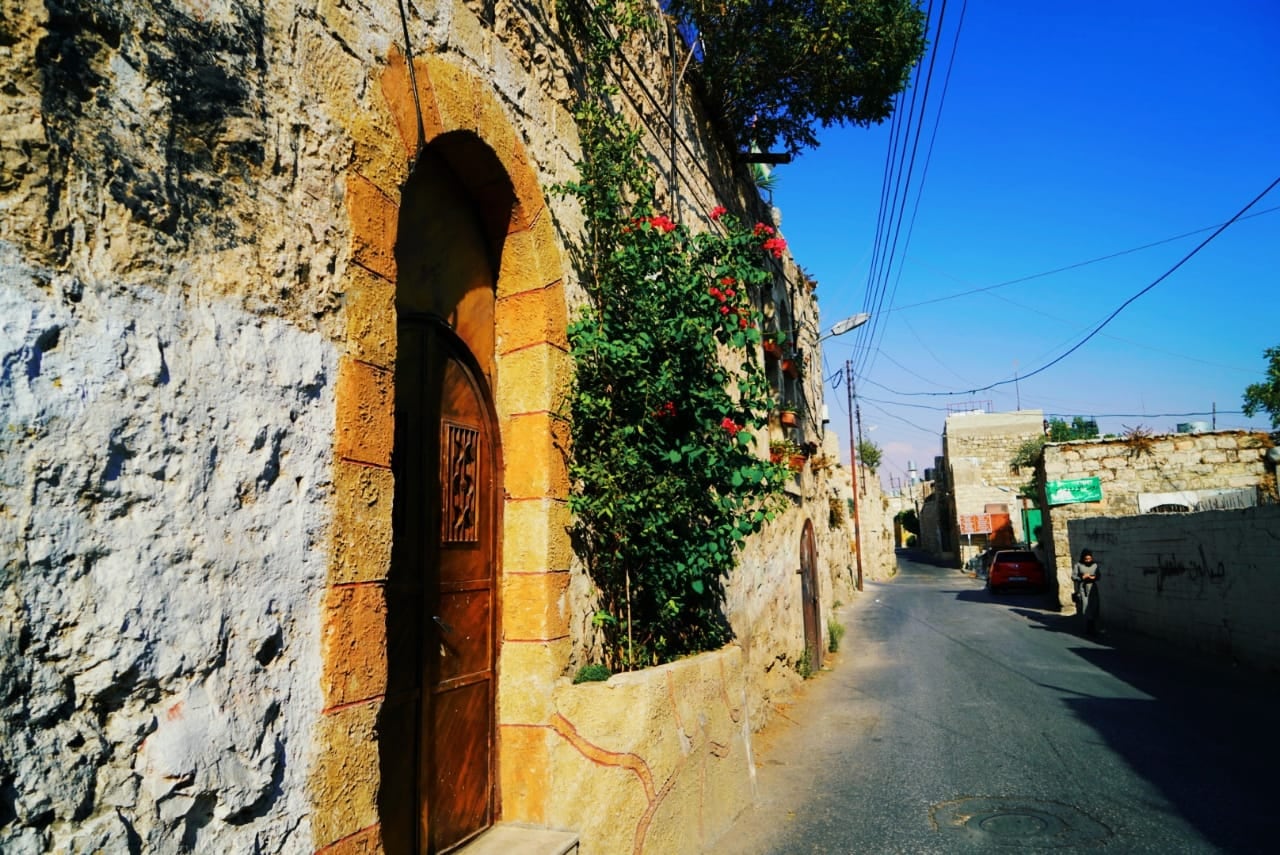
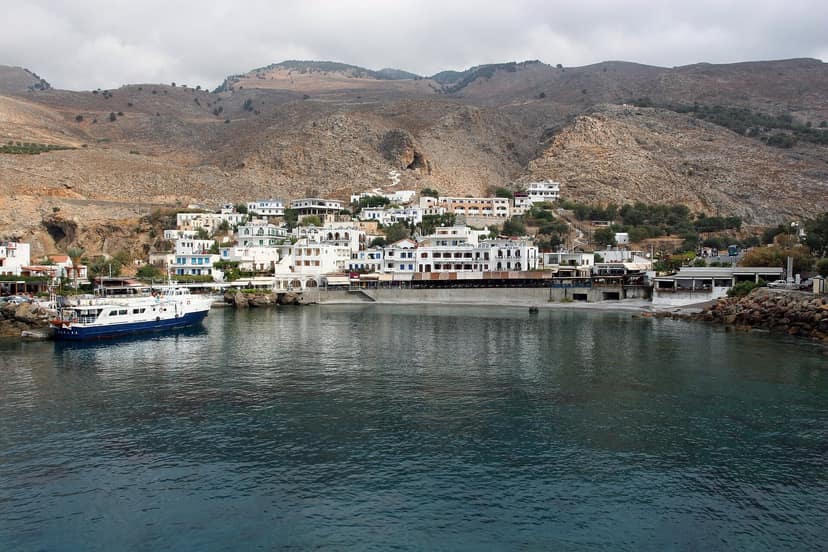
Representative photo · Photo: Marc-Lautenbacher / Wikimedia Commons, CC BY-SA 4.0
A sharp rise in irregular migration from eastern Libya to the Greek island of Crete highlights the deep ties between human traffickers, armed militias, and geopolitics.
Irregular migration from eastern Libya toward Europe has accelerated significantly, driven by shifting smuggling routes, regional conflict economies, and growing geopolitical tensions in the eastern Mediterranean. Nearly twenty thousand individuals have attempted the dangerous maritime journey to the Greek island of Crete throughout the year. Greek authorities recorded hundreds of arrivals across multiple vessels in late October alone, with departures frequently originating around the eastern coastal city of Tobruk. Migrants typically pay thousands of dollars for the crossing, which lasts roughly a day and a half. This particular migration pathway has gained prominence largely because security forces clamped down on alternative corridors leading toward Italy in the previous year. Consequently, smuggling rings adapted by employing smaller watercraft directed at Crete. Swiss think tank observations indicate that traditional trafficking networks have expanded to include operators who previously focused on transporting routine goods, vehicles, or illicit substances.
The expansion of human trafficking is closely entwined with the local conflict economy, where armed factions accumulate economic resources and political clout through informal markets and transit routes. Although the eastern administration led by former military figure Khalifa Haftar maintains strict authority over various armed militias, direct connections between the leadership and coastal smugglers remain unproven. Nevertheless, experts note that demonstrating perceived control over these illicit markets provides powerful actors with considerable political leverage and an image of restoring order. High-profile enforcement actions serve to highlight their strategic value to foreign governments.
Smuggling networks and armed militias fuel a growing migration corridor from eastern Libya to Greece.
Simultaneously, broader geopolitical competition is unfolding in the region. The Tobruk-based administration recently finalized a maritime agreement with Turkey, a deal that rivals Greek economic claims surrounding islands such as Crete and Rhodes. Researchers suggest that irregular migration flows could potentially be utilized as leverage within these ongoing geopolitical disputes. Meanwhile, European governments continue cooperating with Libyan actors to curb migrant arrivals, despite concerns regarding the disputed legitimacy of local authorities and their links to armed groups. This dynamic allows local power brokers to reinforce their strategic importance to European capitals.
Why it matters
The expansion of smuggling operations and conflict economies leaves hundreds of thousands of vulnerable migrants facing severe risks of exploitation and limited access to essential services in Libya. This situation also shapes broader diplomatic and maritime policies across the Mediterranean, directly impacting regional security and European border management strategies.
Sources
More like this
Pakistan Army Cautiously Optimistic Over US-Iran Mediation Efforts
Oman Rescues 25 Crew Members From Burning Oil Tanker in Strait of Hormuz