Kathmandu Ranks Third in Global List of Most Polluted Cities
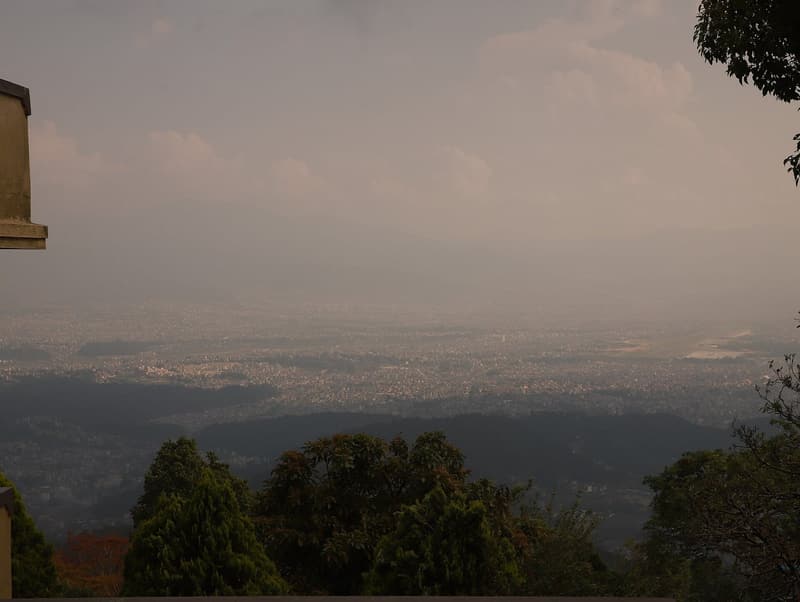
Representative photo · Photo: Krishna k. sahh / Wikimedia Commons, CC0
Kathmandu has climbed to third place in global pollution rankings, highlighting severe air quality issues driven by rapid urbanization and geography.
Kathmandu has earned an unwanted reputation for severe air pollution, recently ranking third among the world's most polluted cities. This alarming statistic highlights the danger that the air residents breathe every day poses to health and well-being. The crisis did not develop overnight; rather, it stems from years of unchecked urban growth, a rising volume of vehicles, unmanaged construction dust, industrial emissions, and the burning of waste. Furthermore, the surrounding hills trap air within the valley, restricting circulation especially during dry winter conditions.
The consequences extend far beyond environmental degradation, directly endangering vulnerable groups including children, the elderly, pregnant individuals, and those with underlying respiratory or heart conditions. Prolonged exposure heightens the risk of asthma and chronic illnesses, while even healthy residents frequently experience eye irritation, coughing, and breathing discomfort. Despite these severe health risks, authorities have primarily relied on short-term and reactive measures, such as issuing warnings and advising citizens to wear masks during hazardous spikes.
Kathmandu urgently needs robust environmental policies and strict enforcement rather than short-term warnings.
Addressing the crisis requires comprehensive government intervention, including stricter enforcement of environmental regulations, limits on high-emitting vehicles, and the expansion of electric public transit systems. Construction projects must adhere to strict dust-containment guidelines, while industries need to comply with emission standards. Additionally, expanding air quality monitoring networks across the valley will ensure the public receives timely and accurate safety advisories.
Understanding Kathmandu Air Quality
Citizens can also contribute by adopting eco-friendly habits, maintaining vehicles, and reducing waste, supported by community awareness initiatives. Ultimately, clean air remains a fundamental human right that demands collective accountability and immediate institutional action.
Why it matters
The deterioration of urban air quality affects public health across South Asia, threatening vulnerable populations and demanding systemic policy changes. Protecting the right to clean air is essential to prevent long-term public health crises in densely populated regional valleys.
Sources
More like this
Five Takeaways from the Failed Climate Talks COP31
Albanese defends Chris Bowen after Cop31 climate deal fails

US Army plans to detonate Iowa lead stores despite court order