Spirit of 1676: Remembering the 350th Anniversary of King Philip’s War
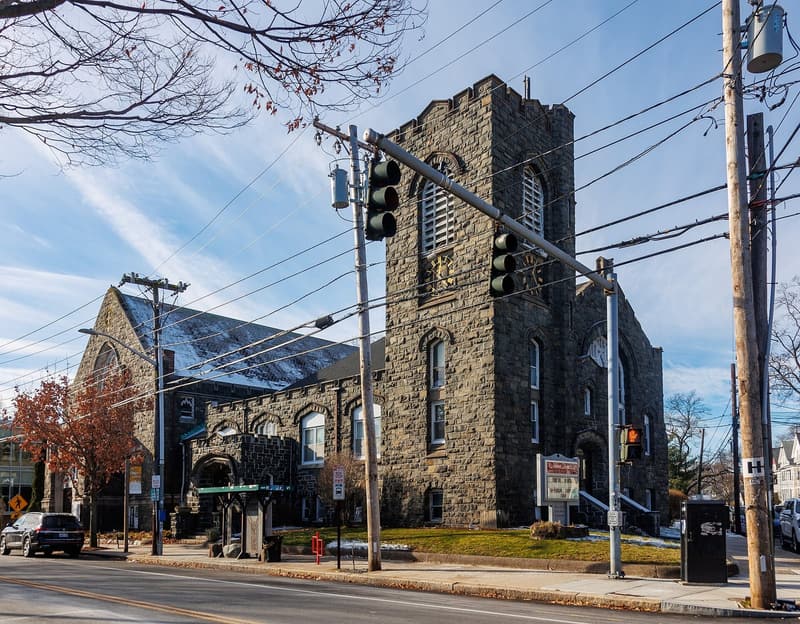
Representative photo · Photo: Kenneth C. Zirkel / Wikimedia Commons, CC BY-SA 4.0
As New England celebrates 250 years of US independence, historians reflect on the 350th anniversary of King Philip's War, the bloodiest per capita conflict in colonial history.
As New England celebrates 250 years of US independence, attention turns to an older and darker remembrance: the 350th anniversary of King Philip's War. This historical era invokes a powerful spirit native american communities still reflect upon, noting how the devastating 17th-century conflict shaped the region long before the American Revolution.
King Philip, also known as Metacom, was a Pokanoket Indigenous leader who formed an alliance of local tribes, including the Nipmuc and Narragansett. Alarmed by colonists encroaching on Indigenous land and infringing on rights, Metacom led an existential struggle for regional control. The war claimed an estimated 800 colonial lives and between 3,000 and 5,000 Indigenous deaths, making it the bloodiest per capita conflict in colonial or United States history.
King Philip's War remains the bloodiest per capita conflict in colonial or US history.
The conflict began in June 1675 with an Indigenous attack in south-eastern Massachusetts. Initially, Metacom's forces achieved success using hit-and-run tactics and ambushes. However, the lack of unity among all New England tribes, alongside devastating losses such as the Great Swamp Fight, ultimately shifted the balance of power toward the English.
Following Metacom's death in August 1676 at Mount Hope, the price of defeat for Indigenous populations was severe. Many survivors were sold into slavery or executed. Despite the passage of three and a half centuries, historians note that the foundational issues of land theft and diminished native sovereignty persist today.
Why it matters
The 350th anniversary of King Philip's War highlights a significant contrast in historical commemoration across New England, as widespread celebrations for the American Revolution overshadow the memory of America's deadliest colonial conflict. This disparity affects public understanding of Indigenous history and highlights ongoing struggles for tribal recognition and sovereignty.
Sources
More like this
A fire nepal incident occurs at a hotel along Everest route
Mediators continue US-Iran negotiations amid ongoing war rhetoric
Photos capture youth-led protests across Germany