Labour Expected to Cut EV Targets for UK Car Industry
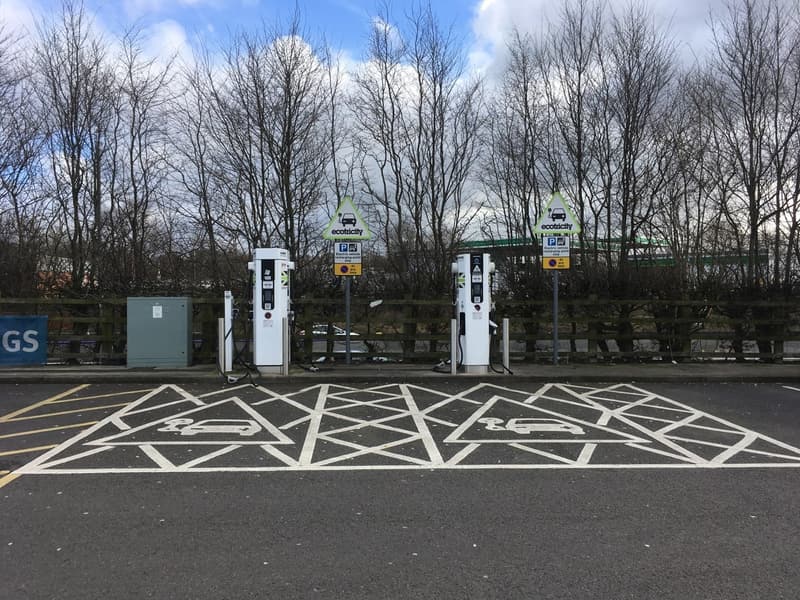
Representative photo · Photo: David Lally / Wikimedia Commons, CC BY-SA 2.0
Ministers are preparing to steeply reduce electric vehicle targets following a long-running dispute, sparking concern among many Labour MPs.
Ministers are expected to make steep cuts to the government's electric vehicle targets this week in a move aimed at relieving carmakers, though the decision has alarmed many labour mps who are worried about the government's commitment to the green agenda. Louise Haigh, the de facto deputy prime minister, will finalise the plan after a crunch meeting in Downing Street on Wednesday to settle a long-running dispute between the transport, energy and business departments. Government sources indicate that Haigh is expected to agree to cut a target for electric vehicle sales by about a quarter.
This decision will support British industry while potentially setting up a conflict with campaigners and MPs over what is considered the government's single biggest decarbonisation policy. The timing coincides with Andy Burnham preparing to travel to his first Cop summit as prime minister, where he and foreign secretary Ed Miliband are set to champion electrification globally. Some MPs are already upset by previous decisions regarding the Jackdaw gasfield and funding cuts to green schemes, making the upcoming decisions on the Rosebank oilfield and the electric vehicle mandate critically important.
Ministers are expected to make steep cuts to the government electric vehicle targets.
Lizzi Collinge, the Labour MP for Morecambe and Lunesdale, noted that the upcoming decision on the zero emission vehicle mandate will have a massive climate impact and set the direction for tackling the cost of living and energy prices over the coming decade. Meanwhile, Catherine Fookes, the MP for Monmouthshire, emphasised that the government faces difficult choices and needs the mandate to stay while rejecting Rosebank. A government spokesperson stated that officials remain united in their commitment to the mandate and legally binding net zero targets, aiming for a pragmatic and balanced approach.
Under rules established by the previous Conservative government, manufacturers must ensure they only sell zero emission vehicles by 2035, increasing the proportion to 80% by 2030. However, carmakers have consistently warned that these interim targets are unattainable due to higher inflation and a squeezed cost of living. The Society of Motor Manufacturers and Traders reports that the industry will miss this year's 33% target by a wide margin, with battery electric vehicles accounting for 26.6% of new car sales in the first ten months of the year. The government launched a review in August proposing five options, ranging from keeping the mandate unchanged down to reducing the interim target to 50%.
Why it matters
The anticipated reduction in electric vehicle targets changes the regulatory landscape for British carmakers struggling with high inflation and shifting consumer demand. It directly affects automotive sector investments, manufacturing jobs, and the UK trajectory toward its legally binding net zero emissions targets by 2035.
Sources
More like this
Trump Set for Hardline Shift After Midterm Defeats
Lisa Nandy Wary of Rejoining EU in Circular Debates
GCSE curriculum changes aim to stop early exam factories