How a diesel problem could impact bitcoin price trends
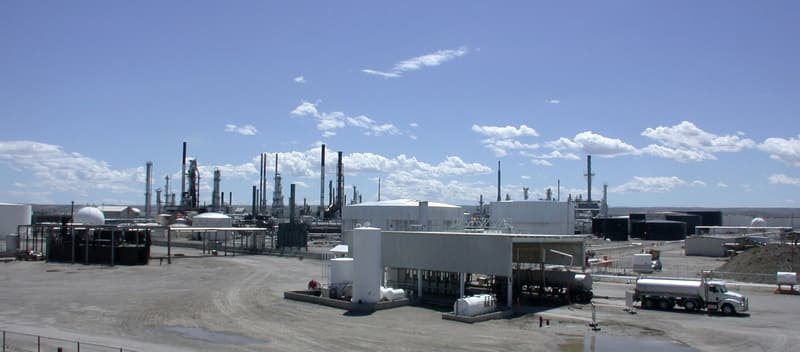
Representative photo · Photo: Greg Goebel from Loveland CO, USA / Wikimedia Commons, CC BY-SA 2.0
U.S. distillate stockpiles have dropped below 100 million barrels, creating potential fuel cost pressures that could affect broader inflation and cryptocurrency financing.
This is news, not investment advice. NexVani Media is not a SEBI-registered investment adviser and does not recommend buying or selling any security. Do your own research or consult a registered adviser before investing.
A growing diesel problem in the United States has left inventories below the critical 100-million-barrel threshold, raising concerns that higher fuel costs could complicate inflation relief efforts. According to the U.S. Energy Information Administration report released in November, distillate fuel oil stocks—which encompass both diesel and heating oil—fell to 99.26 million barrels in the week ending October 30. This drop from the previous week's 102.82 million barrels leaves current national inventories sitting 13 percent below their standard five-year average.
Fuel prices at the pump and for residential delivery have declined slightly in the short term, but remain substantially elevated compared to the previous year. On-highway diesel averaged $6.29 per gallon, which was down 6 cents over the week, while residential heating oil fell by 9.2 cents to settle at $6.14 per gallon. Despite these weekly decreases, diesel remained up by $2.54 a gallon and heating oil was up $2.51 compared to twelve months prior.
Refinery operations saw an uptick in overall activity during the same weekly period, with utilization increasing to 94.5 percent from 92.8 percent. However, total distillate production edged down slightly to 5.154 million barrels per day. The combination of heightened refinery activity and declining stock reserves highlights ongoing supply tightness across the energy sector.
Lower distillate reserves could sustain fuel cost pressures and obstruct easier financing conditions for investors.
## The broader economic context and diesel problem risks
The persistence of elevated fuel prices directly influences the movement of freight and residential heating bills, which in turn feeds into broader economic inflation metrics. Research highlighted by an International Monetary Fund working paper indicates that Federal Reserve tightening tends to impact digital asset valuations through shifts in investors' willingness to take financial risks. The Federal Reserve maintained its target range at 3.75 percent to 4 percent, pointing to continued elevated inflation.
Why it matters
Lower fuel inventories and stubborn energy costs can slow down broader inflation relief, potentially impacting monetary policy decisions and financing conditions that matter to cryptocurrency market participants.
Sources
More like this

One BlackRock Fund Drives Major US Spot Bitcoin ETF Outflows

Congress Seeks Answers From Nvidia CEO Jensen Huang Over Espionage Concerns

A Single Forecast Inflates Power Costs as AI Demand Drives Up Prices