Rohingya Refugees Pin Hopes on Landmark ICJ Genocide Case Verdict
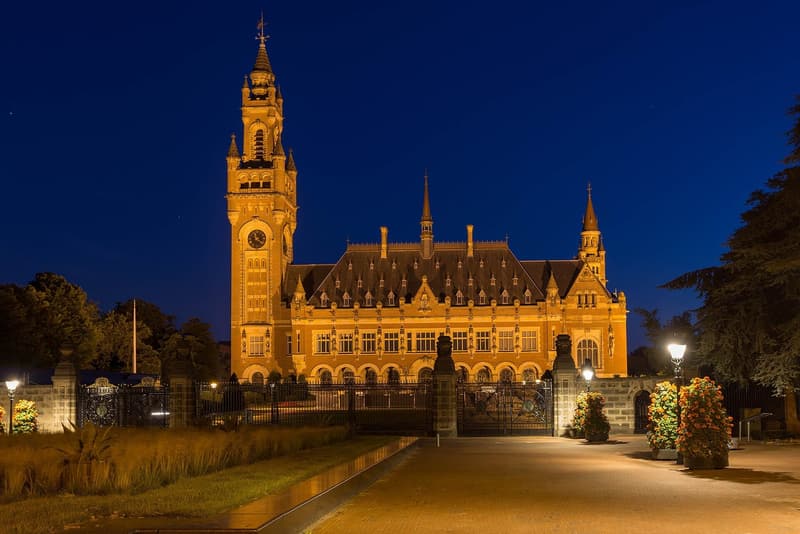
Representative photo · Photo: Jiuguang Wang from San Francisco, CA, Un / Wikimedia Commons, CC BY-SA 2.0
Rohingya refugees in Bangladesh await the ICJ genocide case verdict, hoping for recognition and a path home.
Nearly a decade after fleeing a deadly military crackdown in Myanmar, millions of displaced people are watching closely as the International Court of Justice prepares to deliver its judgment in the rohingya icj case. The UN's highest court is set to rule on Thursday regarding the landmark genocide lawsuit filed by The Gambia against Myanmar in November 2019 under the 1948 Genocide Convention.
More than 1.2 million Rohingya refugees currently reside in camps across Cox's Bazar, Bangladesh, having fled what prosecutors describe as systemic clearance operations that began in 2016 and escalated in 2017. For families like Dil Hossain and Alinnesa, who lost elderly relatives and carried their newborn daughter through harsh terrain to escape, the upcoming ruling offers a glimmer of hope for truth and accountability.
Rohingya refugees await the ICJ genocide ruling, hoping for recognition of their suffering and a safe return home.
The Reality of Camp Life
Life in the refugee settlements has been defined by shrinking humanitarian aid, deep uncertainty, and severe psychological distress. Younger refugees like Nurul Amin and Mohammad Rehan recall vivid memories of lost livelihoods, destroyed homes, and lifelong trauma. Community leaders such as Mohammad Zubair emphasize that the community witnessed the atrocities firsthand and desires a favorable verdict to help restore their identity, rights, and dignity.
However, activists like Nay San Lwin note that a legal victory alone will not automatically change conditions on the ground. With Myanmar still caught in a civil war and the military remaining in power, the immediate path to repatriation remains fraught with immense challenges.
Why it matters
The ICJ judgment represents a crucial legal milestone for a displaced population seeking international recognition of the atrocities they endured. For refugees depending on dwindling aid in South Asia and beyond, the court's findings could validate their claims and strengthen future efforts to secure safe, dignified returns and accountability for state-sponsored violence.
Sources
More like this

Vessels Navigate Ships Hormuz Strait Amid Limited United States Protection
Russia and China Should Lead Multipolar World Push, Says Xi
Hungry Africa Journalists Face Crisis