Netanyahu May Fall, But His Far-Right Legacy in Israel Is Going Nowhere
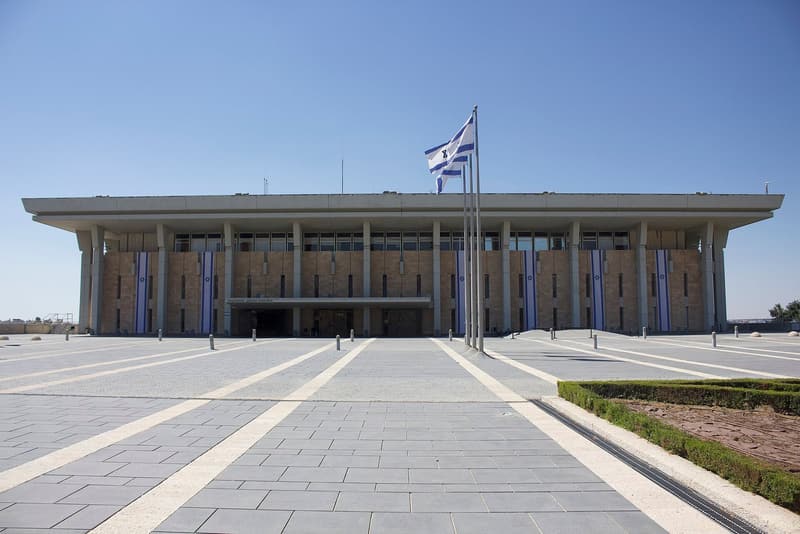
Representative photo · Photo: Clema12 / Wikimedia Commons, CC BY-SA 4.0
As opposition forces seek to unseat Benjamin Netanyahu, experts warn that the hardline policies embedded by his far-right ministers have created a lasting, potentially irreversible legacy.
As Israel’s opposition looks to unseat Netanyahu, the prime minister of Israel, speculation has mounted regarding the future of the government’s most radical elements. Central to this political tension are Finance Minister Bezalel Smotrich and National Security Minister Itamar Ben-Gvir, both of whom have been lightning rods for international criticism. While the current administration has faced intense scrutiny, analysts suggest that the ideological shifts implemented by these ministers may persist long after they leave office.
The far-right ministers have embedded a hardline agenda so deeply that reversing it may be nearly impossible.
The Political Landscape of Netanyahu Israel
Since forming a coalition in 2022, Netanyahu granted Smotrich and Ben-Gvir significant control over key institutions. Smotrich, through his dual role in the Ministry of Finance and the Ministry of Defence, has accelerated illegal settlement expansion in the West Bank and established a separate Settlement Administration. Meanwhile, Ben-Gvir has significantly politicized the police force and tightened conditions within the prison system. Experts like Arie Perliger of the University of Massachusetts Lowell note that these changes are bureaucratic and structural, requiring immense political will to dismantle.
While Ben-Gvir’s influence is often described as performative and populist, Smotrich’s impact is rooted in systemic policy changes. According to Roi Zur of Essex University, these figures represent a stable base of about 10 percent of the Israeli electorate. Even if they are removed from power, their movements remain deeply entrenched in the national discourse. Their tenure has been marked by strong support for the war in Gaza, calls for annexation, and the official sanctioning of hostile rhetoric toward Palestinians.
Why it matters
The entrenchment of these hardline policies signifies that a change in leadership may not immediately alter the trajectory of Israel’s domestic or regional stance. The institutional changes made to the security and civil administration sectors mean that the current ideological direction will likely influence Israeli governance for years to come, affecting both the regional stability of the Middle East and international diplomatic relations.
Sources
More like this

Nigeria: AI Disinformation Challenges Integrity of Upcoming 2027 Elections

Espionage accusations: a pressure tactic for Turkish government critics

US House Minority Leader Hakeem Jeffries Heckled by Protesters in Denver