New Zealand Faces Weeks of Uncertainty After Election
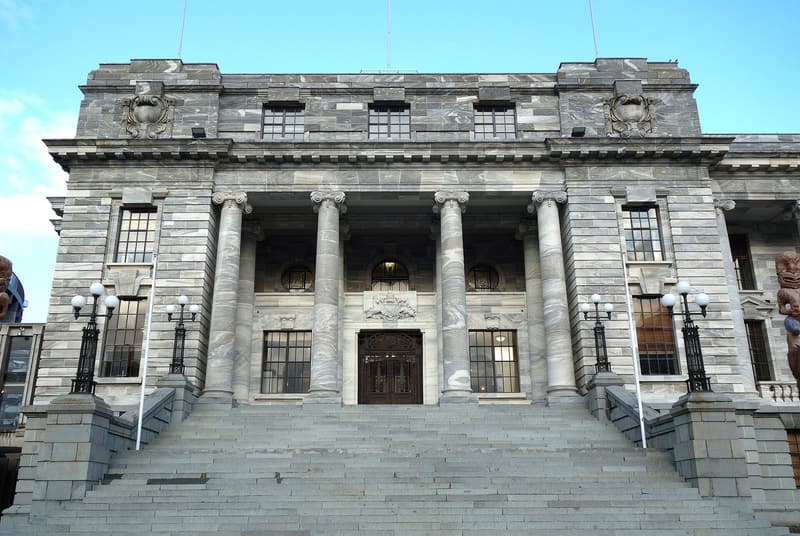
Representative photo · Photo: Daderot / Wikimedia Commons, CC0
New Zealand faces a weeks-long wait to determine its next government after a nail-biting election left the final outcome too close to call.
New Zealand faces a potentially lengthy wait to discover the makeup of its next government following a closely contested general election that failed to deliver a definitive win for either the incumbent rightwing coalition or the opposition left bloc. Initial results indicate that the centre-right National party, led by Prime Minister Christopher Luxon, secured enough support to potentially govern alongside its traditional partners, the libertarian Act party and populist New Zealand First parties.
However, slim margins in several contests and a significant volume of uncounted special votes mean the outcome remains precarious until official results are published on November 27. Special votes, encompassing ballots cast outside a voter's electorate and overseas submissions, typically favour the left. In the previous election, special votes altered the parliamentary landscape by awarding additional seats to the Green party and Te Pāti Māori.
With nearly all ballots counted on election night, the National party achieved 42 seats, while Act won 13 and New Zealand First claimed 12. This creates a narrow combined majority of 67 seats, placing the left bloc merely three seats behind. Prime Minister Christopher Luxon addressed supporters in Auckland, stating that the contest was too close to call and that final results must be established before formal negotiations commence.
The final shape of New Zealand's next government remains uncertain pending the official vote count.
Meanwhile, the Labour party, led by Chris Hipkins, secured 35 seats, alongside traditional allies the Green party with 16 seats and Te Pāti Māori with five. The centrist Opportunity party achieved 5.9 percent of the vote, meeting the threshold to enter parliament for the first time in a historic milestone under the mixed-member proportional electoral system.
The decline in support for the two major parties, driven by economic sluggishness and high inflation, has bolstered smaller factions. Due to New Zealand's specific electoral rules involving electorate seats and party votes, overhang provisions could expand the size of parliament to 130 seats, requiring 65 seats to form a coalition. Caretaker government conventions will remain in effect while the nation awaits the final tally.
Why it matters The unresolved election outcome introduces a period of political instability as New Zealand awaits the official special vote count and subsequent coalition negotiations. This delay directly affects national governance, policy direction, and the legislative agenda, meaning the daily business of administration must operate under caretaker conventions until a stable majority is officially established.
Sources
More like this
Hakeem Jeffries Poised to Become First Black Speaker of the US House
New Zealand Prime Minister Christopher Luxon Calls Election Too Close
France Debate Surrounds Leftist Leader Jean-Luc Melenchon