NextDC to Avoid Residential Sites After Melbourne Data Centre Backlash
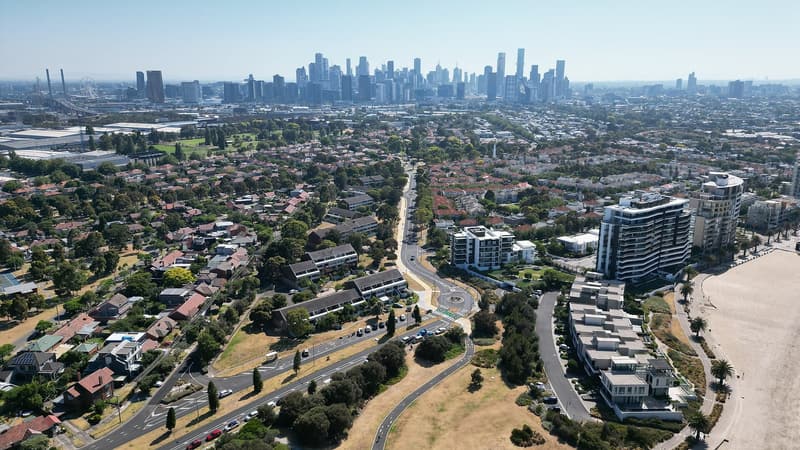
Representative photo · Photo: Bob Tan / Wikimedia Commons, CC BY 4.0
Following significant community opposition to a Melbourne project, NextDC has pledged to avoid future data centre developments near residential areas.
NextDC is shifting its development strategy after facing intense public resistance regarding its NextDC Melbourne data centre expansion. The company, which faced a 40% drop in share price following protests over the M3 site in West Footscray, has confirmed it will no longer pursue new projects in close proximity to homes. The controversy centered on the installation of 22-metre power poles by utility provider Jemena, which led to the project being delayed.
NextDC will stop building new data centres near homes following intense community backlash in Melbourne.
NextDC Melbourne data centre power delay
At the company’s recent annual general meeting, chief executive Craig Scroggie acknowledged the difficulties of the past year, describing it as his most challenging in 15 years. He accepted responsibility for the oversight of construction, power, and community engagement. Scroggie noted that the M3 site, which previously housed petrochemical works, required a more collaborative approach with local stakeholders and utility partners. The company is now implementing new measures, including a dedicated community consultative committee and a project website to improve transparency and response times for local residents.
Board chair Doug Flynn stated that the firm’s approach to site selection is evolving to reflect current community sensitivities. He noted that the public reaction to data centre infrastructure is significantly different today than it was six years ago. While the company’s share price has since recovered to over $9, the episode drew attention from investors, including the Goodman Group, which acquired a nearly 10% stake in the firm. During the AGM, shareholders issued a second strike against executive pay, though a subsequent motion to spill the board was defeated.
Regarding the power infrastructure issues, Flynn remarked that the utility provider involved, Jemena, had failed to account for community concerns before proceeding with construction. A spokesperson for Jemena did not comment on the specifics but confirmed that their general manager for electricity networks had stepped down following the incident.
Why it matters
The shift in strategy highlights how rapidly evolving community expectations in the age of artificial intelligence are forcing technology firms to rethink their infrastructure planning. By prioritizing residential distance, NextDC aims to mitigate future project risks and restore public trust.
This change in operational policy serves as a case study for global infrastructure developers. It demonstrates that historical industrial zoning is no longer a sufficient justification for large-scale projects, as local engagement and social license have become critical components of corporate success in the modern digital era.
Sources
More like this

Gold prices in India: market updates and festive demand trends
Airbnb's New House Rules Ban Mandatory Guest Chores

Cumin-laced fizzy sodas challenge cola giants in India