Pakistan's solar boom transforms energy use as grid struggles
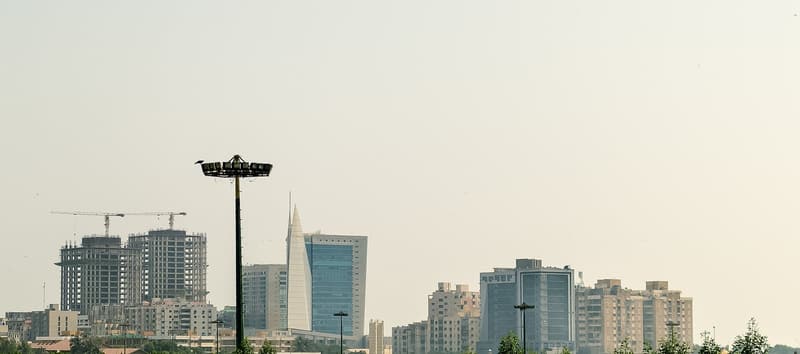
Representative photo · Photo: Ahmad Haq / Wikimedia Commons, CC BY-SA 4.0
Pakistan sees a massive rise in solar energy adoption driven by households, helping push solar's share of electricity from 1% to 28% while straining the national grid.
Rural and urban areas across Pakistan are experiencing a rapid transformation as affordable imported solar panels become ubiquitous fixtures on rooftops, farms, and industrial complexes. Households and businesses are increasingly embracing photovoltaic technology primarily to escape surging utility bills and an unreliable state-owned electricity distribution system. In places like rural Punjab, families incorporate solar panels into wedding dowries as an essential household asset, utilizing them extensively to run daily appliances during daylight hours.
Data from the Pakistan-based think tank Renewables First indicates that the contribution of solar power to the national electricity mix jumped dramatically from 1% to 28% between 2018 and 2025. Approximately seven million households now own panels, a shift propelled largely by private initiative rather than official government programs. Officials note that falling costs for imported hardware combined with utility tariffs doubling over a short period have encouraged widespread adoption as a survival mechanism.
Individual households driving Pakistan's solar boom have pushed clean energy's share of electricity to 28%.
Pakistan's solar boom presents fiscal challenges
While the transition reduces reliance on imported fossil fuels and slashes individual power expenses, it also introduces significant structural complications for the state infrastructure. As millions of consumers reduce their reliance on public electricity, fewer remaining customers shoulder the fixed costs required to maintain the distribution network. According to government officials, this exodus from the public utility has imposed hundreds of millions of dollars in annual financial burdens on remaining consumers and the state.
Energy authorities are working to renegotiate legacy power purchase agreements and modernize infrastructure through enhanced storage capacity and waste reduction. Despite these fiscal hurdles, adoption continues to expand into the commercial and manufacturing sectors. Large industrial facilities, such as textile mills in Islamabad, utilize vast arrays of panels to run machinery entirely on sunshine during peak daylight hours while planning to integrate industrial batteries for surplus storage.
Why it matters
The massive pivot toward independent clean energy generation alters the economic dynamics of public utilities across developing nations in South Asia. For individual consumers, self-generation offers relief from escalating energy expenses, but it simultaneously threatens to create a financial divide where vulnerable populations face higher utility burdens to sustain ageing state infrastructure.
Sources
More like this

Friday night set to be coldest of the autumn season with sub-zero temperatures
Understanding Heat Pumps: Costs, Regulations, and Energy Efficiency

California Coastal Communities Face Severe Waves and Storms