US Tightens Iran Naval Blockade Targeting Ship-to-Ship Transfers
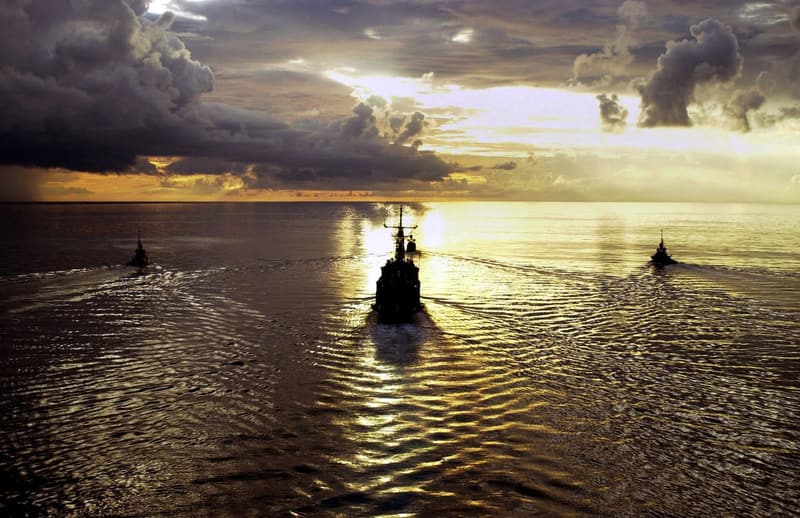
Representative photo · Photo: PH1 Franklin P. Call, USN / Wikimedia Commons, Public domain
The US military warns that vessels receiving Iranian cargo via ship-to-ship transfers will face interception, boarding, or seizure.
The United States military has escalated enforcement of its naval blockade targeting Iran, announcing that vessels accepting cargo through ship-to-ship transfers will face direct military intervention. The directive from US Central Command aims to close loopholes allowing Iranian petroleum and energy products to reach international markets despite ongoing restrictions.
Washington initially established the restrictions in April, briefly paused them in June following diplomatic discussions, and reinstated the measures in mid-July after agreements collapsed. Under the new advisory, any ship receiving goods from vessels originating at Iranian ports or along the country's coastline risks being stopped, boarded, diverted, or captured by American forces, even if the secondary carrier never enters Iranian waters.
Iran News and Military Responses
Iranian authorities have not issued a formal government response, but state-aligned media and military officials have signaled defiance. Outlets linked to the Islamic Revolutionary Guard Corps suggested dispatching oil tankers accompanied by threats against regional energy infrastructure if American forces attempt to obstruct them. Senior military officials rejected the feasibility of a comprehensive economic blockade and warned of severe retaliation should US forces attack Iranian vessels.
CENTCOM warned that ships bypassing the Iran blockade through transfers face interception and military force.
Analysts note that while Iran lacks the naval strength to challenge the blockade militarily, Tehran could attempt to raise the political and economic costs for Washington through regional escalation. Before the outbreak of the US-Israeli conflict, Iran exported significant quantities of crude oil primarily to Asian buyers, but restoring large-scale shipments remains a formidable challenge.
Why it matters
The tightening of the naval blockade significantly raises tensions across the Middle East, threatening commercial shipping lanes and regional energy infrastructure. While the measures directly impact Gulf trade routes and petroleum markets, any potential escalation or disruption to regional energy supplies could have broader economic repercussions globally, affecting energy security and shipping costs worldwide.
Sources
More like this

Russian missile strikes Poland during military exercise

Majority people in US prisons were victims of violent crime, study says
Russia Strikes Kyiv Crossings After Crimean Bridge Attack