Understanding Heat Pumps: Costs, Regulations, and Energy Efficiency
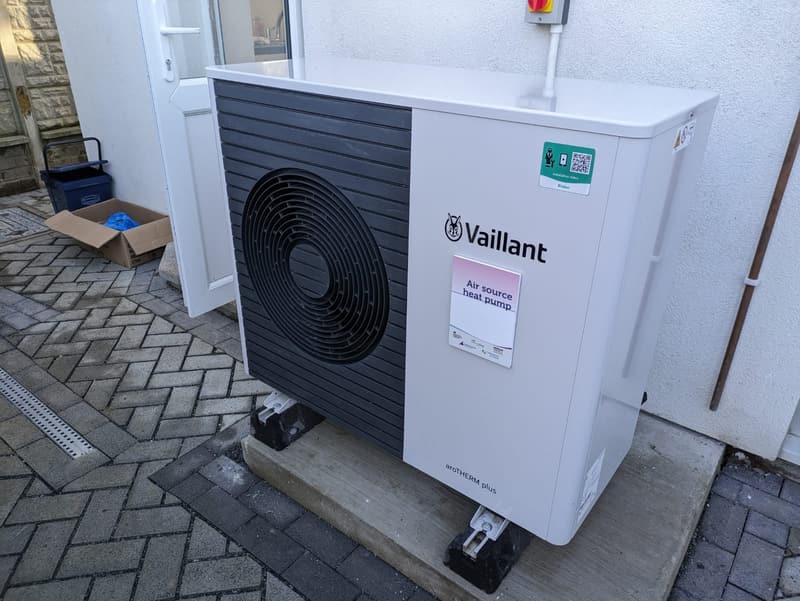
Representative photo · Photo: Southend-on-Sea Borough Council, UK / Wikimedia Commons, CC0
As the UK pushes for net-zero emissions, new regulations mandate heat pumps in new homes. Here is what you need to know about how this technology works and the associated costs.
The transition toward greener home heating is accelerating in the United Kingdom, with many residents asking what heat pump does to improve energy efficiency. Heating buildings accounts for approximately one-fifth of the nation's planet-warming emissions, making the shift from traditional gas and oil boilers to electric heat pumps a central component of the government's strategy to reach net-zero targets.
How heat pump technology works
Unlike traditional boilers, heat pumps operate on electricity and are significantly more efficient. They function by absorbing and amplifying thermal energy from the air, ground, or water. Air source models, the most common variety, draw outdoor air over tubes filled with refrigerant fluids. This process causes the refrigerant to evaporate into a gas, which is then compressed to increase its temperature, providing heat throughout the property. These systems typically consist of an external unit measuring roughly 1m x 1m x 0.4m, paired with an indoor unit and a hot water cylinder.
Ground source heat pumps offer higher efficiency than air-based models but are less common due to higher installation costs and the requirement for deep boreholes or large horizontal ground systems.
New regulations require heat pumps in all new English homes to help meet national net-zero climate targets.
Costs and financial support
Starting in March, regulations will require developers to install heat pumps and solar panels in all new homes across England. While this is estimated to increase new home prices by £10,000, officials suggest that lower energy bills will provide long-term savings for owners.
For existing properties, the Boiler Upgrade Scheme provides a £7,500 grant for eligible homeowners in England and Wales. While the government has committed to maintaining funding for this scheme, recent budget adjustments have seen funds diverted to other priorities, such as the 'Your First Home' initiative. Additionally, while installations currently enjoy a 0% VAT rate, this is scheduled to increase to 5% in April 2027. Households may also access low-interest loans ranging from £7,500 to £35,000 via the Warm Homes Loan Scheme to assist with the transition.
Why it matters
The government is prioritizing the deployment of heat pumps to reduce reliance on fossil fuels and lower energy bills for households. These changes directly impact developers, homeowners, and the construction industry, as the UK seeks to modernize its housing stock to meet environmental goals.
Sources
More like this

California Coastal Communities Face Severe Waves and Storms

Wildlife conservation funding targets former colliery sites in Yorkshire

Africa and Europe clash at COP31 over climate finance and adaptation funds