Protests and reforms: France's rising debt costs threaten stability
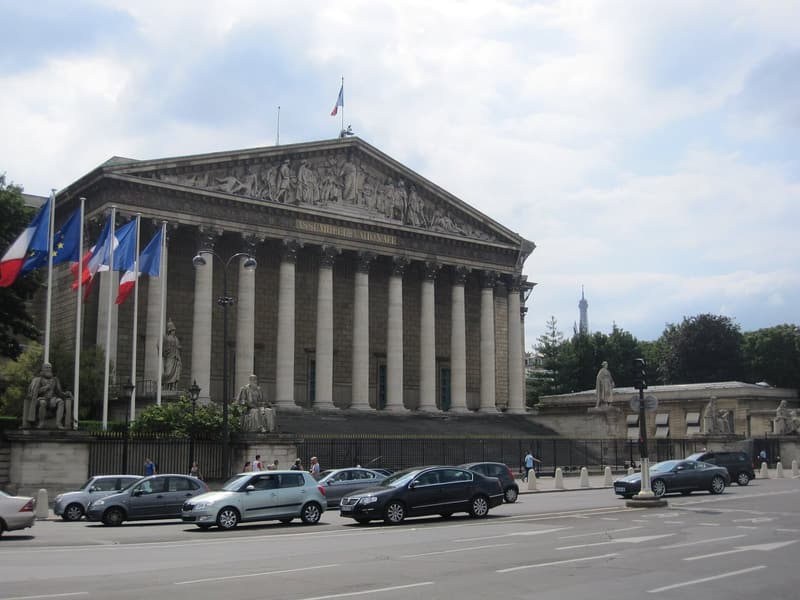
Representative photo · Photo: DiscoA340 / Wikimedia Commons, CC BY-SA 4.0
France faces mounting public debt and climbing borrowing costs as the government promises billions for education amid nationwide protests.
Deeply indebted, politically trapped in a standoff between extremes, and led by a government without a parliamentary majority, France faces a severe fiscal predicament. In response to recent nationwide protests, the administration plans to allocate billions in low-interest loans for school renovations and university funding by the end of the decade. Analysts note that the state is promising money it simply does not possess.
France's public debt currently hovers around 120% of gross domestic product, while Germany maintains a debt-to-GDP ratio of roughly 65% alongside the highest possible AAA credit rating. Because France is rated lower, the French government must pay higher interest rates on its borrowing. The risk premium over German government bonds has surged to its highest level since the financial crisis, more than doubling since June 2026. Experts warn that if this spread rises too sharply, financing conditions will tighten, potentially cascading into a broader financial crisis.
For over fifty years, France has routinely spent more than it collects in tax revenue, with its last balanced budget occurring in 1974. The increasing interest rates mean a larger share of the national budget must go toward debt servicing alone. France is expected to pay massive sums in interest on its total public debt through 2030, driven by high debt levels, political instability, large budget deficits, and recent unrest.
Surging debt and rising interest costs threaten France's financial stability as political leaders offer costly promises.
Political debates appear largely disconnected from these economic realities. Radical political figures on both the right and left are campaigning on expensive pledges that ignore the need for fiscal consolidation. Researchers point out that because a majority of the population receives more in government benefits than they pay in taxes, many citizens have a tangible interest in maintaining the status quo, while the euro has long softened the immediate pressure to adjust.
Why it matters
France plans to spend an extra €4 billion on education amid nationwide protests, but mounting public debt and climbing interest costs severely limit the government's fiscal room. This escalating debt burden highlights the vulnerability of European economies caught between political gridlock and soaring borrowing expenses.
Sources
More like this

Ukraine Raises Zaporizhia Aid Strike Death Toll to at Least 50

What a Trump-Xi-Putin Summit Could Mean for Global Power

Further Bomb Threats Disrupt At Least 18 Flights Across Europe