Further Bomb Threats Disrupt At Least 18 Flights Across Europe
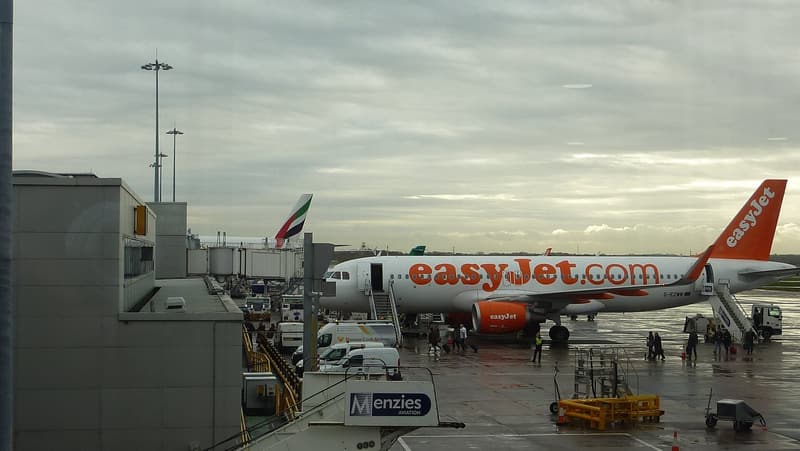
Representative photo · Photo: Richard Cooke / Wikimedia Commons, CC BY-SA 2.0
A coordinated wave of bomb threats has forced safety checks on at least 18 flights across Europe, while media outlets in the UK and Ireland also faced security alerts.
A fresh series of security alerts has caused significant disruption to air travel across Europe, with at least 18 flights to or from multiple nations targeted by bomb threats. While the incidents triggered emergency procedures and security checks, all affected aircraft landed safely, and subsequent investigations revealed no explosive devices on board. This latest wave of disruption follows similar incidents earlier in the week, which forced at least 35 flights to be diverted or searched, raising concerns about a coordinated effort to sow fear among travelers.
Further disruption across Europe
As people wonder what is the future of Europe amid these security challenges, the latest threats affected flights involving Bulgaria, Czechia, France, Italy, Hungary, Cyprus, Romania, the UK, and Portugal. Specifically, at least nine flights to and from Prague, four over France, two headed for Sofia, and a flight from Lisbon to Rome were impacted. In Hungary, the defence minister, Romulusz Ruszin-Szendi, confirmed that fighter jets were scrambled three times to escort civilian aircraft within their airspace. Danish authorities also investigated a threat against Copenhagen airport, though officials stated the facility continued to operate normally.
A coordinated wave of bomb threats has disrupted European air travel and media organizations without causing physical harm.
According to the air traffic control agency Eurocontrol, the affected flights represented a small fraction of the 26,709 scheduled operations across the continent on Friday, accounting for approximately 0.0674% of total traffic. Despite the limited statistical impact, the incidents caused widespread knock-on delays and anxiety.
Beyond aviation, the security situation extended to media institutions. Broadcasters in Ireland, including RTÉ, were forced to evacuate staff and pause scheduled programming while police conducted searches. Similarly, the British broadcaster Sky reported receiving a security threat and notified the relevant authorities. These events follow a week of digital instability, including cyber-attacks that targeted supermarket refrigeration systems in at least seven European countries.
While investigators have not linked these hoaxes to a specific state actor or terror group, inquiries remain active. Some threats on Thursday were signed by the "Male State," a Russian far-right movement. Several officials, including Spain’s foreign minister, José Manuel Albares, have characterized the events as a form of psychological warfare and hybrid aggression. There is suspicion among some officials that the disruption may be connected to European support for Ukraine during the ongoing war.
Why it matters
These incidents highlight the vulnerability of critical infrastructure and the ease with which coordinated hoaxes can disrupt the normal operation of society. Irish Taoiseach Micheál Martin emphasized that such threats must be taken seriously, as they aim to undermine public confidence and create widespread anxiety.
For international travelers and observers, including those in India and South Asia, these events underscore the growing prevalence of hybrid threats in the modern geopolitical landscape. As European security agencies work to identify the culprits, the situation serves as a reminder of the potential for psychological warfare to impact global connectivity and public safety.
Sources
More like this
Protests and reforms: France's rising debt costs threaten stability

Ukraine Raises Zaporizhia Aid Strike Death Toll to at Least 50

What a Trump-Xi-Putin Summit Could Mean for Global Power