Bank of England Faces Pressure for Rapid Interest Rate Hike as Inflation Nears 5%
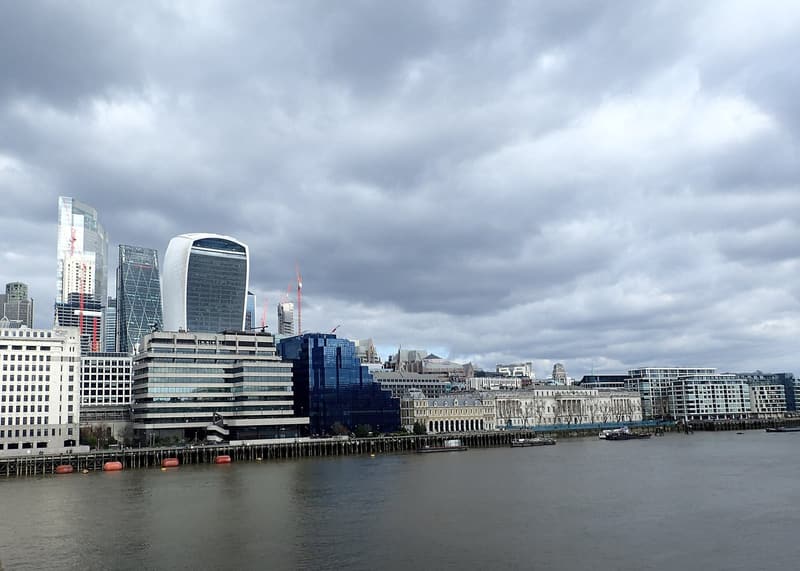
Representative photo · Photo: Helen Steed / Wikimedia Commons, CC BY-SA 2.0
The Bank of England is widely expected to raise interest rates again soon as central bank forecasts point to inflation climbing to 5% by next spring.
A growing consensus suggests the central bank is preparing to announce another increase in borrowing costs during its upcoming policy meeting. Analysts indicate that policymakers are poised to implement tighter financial measures following new projections that place inflation at more than double the official target within a few months. Huw Pill, the chief economist at the institution, recently confirmed that multiple rate increases appear very likely.
Such a rapid interest rate shift arrives at an inconvenient time for consumers and businesses navigating the festive period. Economists note that even a slight upward movement in benchmark rates will immediately translate into costlier mortgage deals and expensive corporate financing. While the central bank assumes companies will pass these overhead expenses directly onto buyers, consumer spending habits show signs of strain. Most shoppers have little disposable cash left after enduring years of elevated living expenses, with only higher-income earners maintaining spending levels by depleting their personal savings.
Corporate pricing strategies face additional scrutiny from battle-hardened buyers who recognize how pandemic-era market shifts accustomed suppliers to raising prices. Although business surveys have not registered widespread corporate price increases yet, policymakers remain convinced that underlying pressures are intensifying. If retail consumers resist these higher costs, attention turns toward the public sector as a major purchaser of goods and services. Government bodies account for a quarter of overall economic consumption, meaning public agencies purchase vast quantities of supplies ranging from concrete to medical equipment.
Observers point out that public sector procurement costs have frequently spiralled due to extensive consultant spending and poorly managed infrastructure budgets. Whether government departments possess the institutional resolve to push back against vendor price demands remains a critical question. If public buyers accept inflated contracts, those deals risk creating knock-on effects across the wider commercial landscape. Ultimately, the central bank anticipates widespread acceptance of these higher costs, which could drive workers to demand significant wage increases in response.
Raising borrowing costs too far risks destroying economic growth while battling persistent inflation.
Why it matters
This impending shift in monetary policy carries significant implications for the broader economy, directly affecting borrowers, businesses, and public finances. If borrowing costs climb too aggressively, the resulting financial squeeze could stifle whatever minimal growth remains, potentially triggering widespread economic consequences across the United Kingdom.
Sources
More like this

Canada Stelco workers to be recalled after government pressure

Nvidia Leadership Changes After Jensen Huang Steps Down

Bank of England Economist Signals Further Interest Bank Rate Increases