Russia, Saudi Arabia and Australia named as top CO2 exporters in history
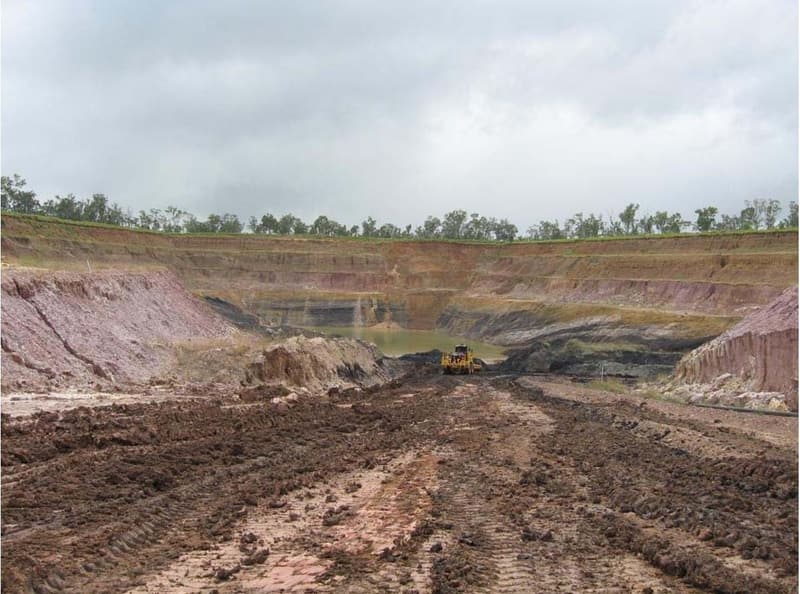
Representative photo · Photo: Environmental Impact Assessments Unit, D / Wikimedia Commons, CC BY 4.0
An analysis of historical fossil fuel exports since 1850 reveals that Russia, Saudi Arabia and Australia are the world's biggest carbon dioxide exporters.
A new analysis examining historical fossil fuel exports since 1850 has identified Russia, Saudi Arabia and Australia as the three biggest exporters of carbon dioxide in history. Unlike most assessments that evaluate emissions based on where greenhouse gases are released, this research apportions responsibility to the countries extracting the fossil fuels. The findings offer a fresh perspective on the global economy and historical climate responsibilities.
Russia leads the global ranking due to its vast coal, oil and gas reserves. By the end of 2025, Russia will have been responsible for more than 70 gigatonnes of carbon dioxide produced by burning its exported fossil fuels. Saudi Arabia follows closely behind with approximately 60 gigatonnes of exported CO2. Australia ranks third, significantly behind the top two, accounting for over 25 gigatonnes of exported emissions.
Historical fossil fuel analysis names Russia, Saudi Arabia and Australia as top CO2 exporters.
Russia Saudi Arabia and Australia CO2 Exporters
The revelation emerges while Australia acts as the president of the UN climate summit, Cop31, currently taking place in Turkey. Critics point out that Australia's contribution to global heating more than doubles when fossil fuel exports are factored into calculations. Despite this, the nation has not set an end date for fossil fuel extraction or export, which account for a major portion of its economy. Thinktank Climate Analytics reported that Australia continues to approve coalmines scheduled to operate until 2088.
Louise Hutchins of the Make Polluters Pay International Coalition criticized the consensus-based process, stating that governments claim a lack of climate finance while nations that amassed fortunes from fossil fuels maintain pivotal political power. Meanwhile, negotiations face additional friction as countries like Saudi Arabia harden their negotiating positions, and the absence of the United States reduces pressure for compromises.
Why it matters
This historical assessment alters how global accountability for climate change is measured by shifting the focus from consuming nations to extracting countries. It highlights the political tensions at international climate summits, where major fossil fuel exporters continue to approve new extraction projects while facing mounting pressure to commit to a fair and fast phaseout.
Sources
More like this

Red Crabs Migration Begins on Christmas Island

Rio Tinto Agrees to Pay $250m to Clean Up Abandoned Panguna Mine

California braces for massive storm as towering waves hit the coast