Russia’s territorial gains in Ukraine war stall as energy strikes intensify
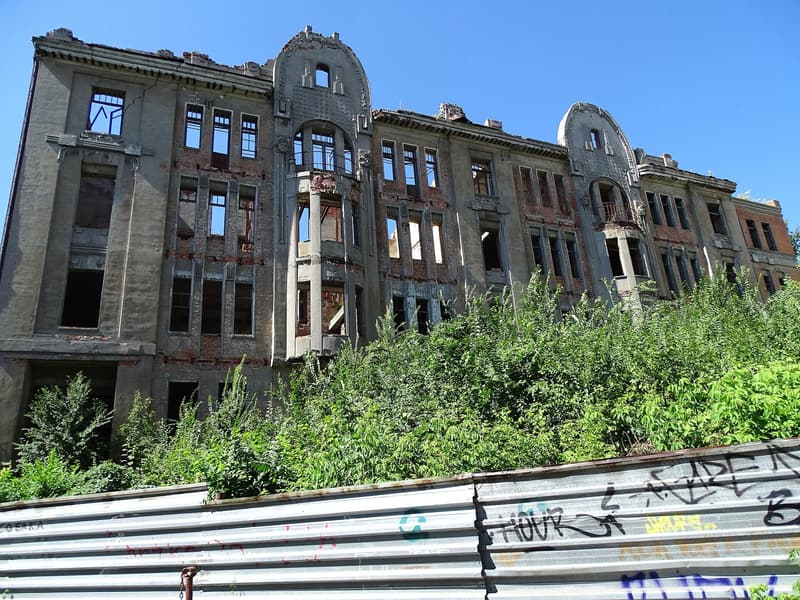
Representative photo · Photo: Adam Jones from Kelowna, BC, Canada / Wikimedia Commons, CC BY-SA 2.0
Russian battlefield advances have slowed to near zero in 2026 as casualties mount and Ukraine targets energy infrastructure to disrupt export deals.
Independent observers and Kyiv’s military report that Russia’s territorial gains in the Russia Ukraine war have dwindled to almost nothing throughout 2026. According to the Institute for the Study of War, Russian forces have seized only 117.38 square kilometers this year, a stark contrast to the thousands of square kilometers captured in 2024 and 2025. The daily rate of advancement has plummeted to 0.38 square kilometers per day, down from over 13 square kilometers in 2025.
Simultaneously, Russian military casualties have reached record levels. Ukraine’s General Staff estimates that 381,300 Russian personnel were killed or seriously wounded between January and October. These losses significantly exceed Russia’s estimated monthly recruitment capacity of 24,000 to 30,000 soldiers. While Russia has struggled to maintain control, it has intensified long-range strikes on Ukrainian energy infrastructure, resulting in widespread power outages for hundreds of thousands of families as winter approaches.
Russian territorial advances have stalled in 2026 while casualties hit record highs and energy strikes escalate.
Escalating conflict and energy strikes
The intensity of aerial attacks reached a peak on November 3, when Russia launched 370 drones and 76 missiles. Among the deadliest incidents was an attack on a humanitarian aid distribution center in Komyshuvakha, which claimed at least 50 lives. These strikes coincide with a renewed Ukrainian campaign against Russian oil refineries. Within the first week of November, Ukraine targeted eight refineries, including facilities in Ufa, Nizhny Novgorod, and Ryazan. These operations aim to cripple Russia’s export revenue and undermine a deal brokered between Vladimir Putin and Donald Trump to supply 1.8 million tonnes of diesel to global markets.
Amid the violence, a rare localized ceasefire in Oleshky, negotiated by US First Lady Melania Trump, allowed for the evacuation of 800 residents. The evacuation revealed a divide in civilian preferences, as 17 buses carried residents toward Ukrainian-controlled territory, while four headed toward Russia. The Russian government has faced internal scrutiny over these developments, with military reporter Vladimir Romanov arrested after covering the evacuations.
Why it matters
The failure of Russia to secure significant territorial gains, combined with the successful disruption of its oil infrastructure, signals a shift in the war's momentum. The inability to fulfill the diesel export deal with the United States threatens to destabilize energy prices, impacting global markets and nations reliant on stable fuel supplies.
For readers in India and South Asia, the disruption of Russian oil exports and the volatility in energy markets could lead to increased fuel costs and supply chain uncertainties. As Moscow prioritizes psychological warfare and energy strikes, the humanitarian crisis in Ukraine deepens, further complicating the global geopolitical landscape.
Sources
More like this

Prince Harry and others launch appeal after losing Daily Mail phone-hacking claim

Goats on weed-clearing duty become unlikely Tokyo celebrities

Yemeni Forces and Houthis Trade Blame Over Fatal Market Strike