Serbia after Vucic: The winners are losing patience
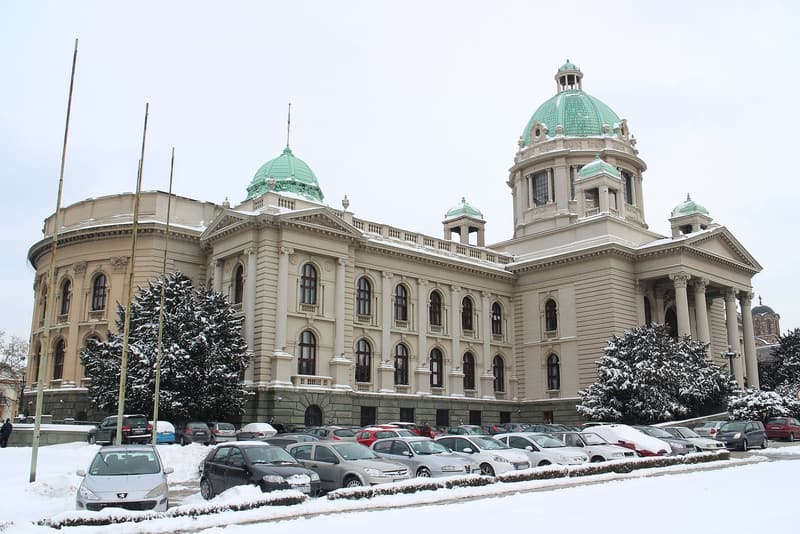
Representative photo · Photo: Suicasmo / Wikimedia Commons, CC BY-SA 4.0
Following the Student List's election victory, Aleksandar Vucic's power apparatus is disintegrating as citizens await justice.
Following recent developments in serbia vucic and his political apparatus face an uncertain future after losing the October 25 election to the Student List. The coalition, formed from a student revolt, secured 53 percent of the vote, leaving the Serbian Progressive Party trailing behind with 39 percent. Aleksandar Vucic, who previously dominated state media and public life for years, condemned the transition as revolutionary terror during a press conference.
Changes have swept across the country quickly since the election outcome. In multiple cities, citizens have peacefully removed portraits of municipal buildings, while public prosecutors have launched investigations into electoral fraud and the Higher Public Prosecutor Office. The catalyst for the broader public revolt traces back two years to the fatal collapse of a concrete canopy at a newly renovated railway station in Novi Sad, which resulted in sixteen deaths and sparked widespread allegations of corruption.
The power vacuum and public impatience
Despite the electoral defeat, supporters of the former administration still retain control over various administrative and judicial levers of power. Analysts note that a society oppressed for an extended period naturally expects swift justice, creating a notable power vacuum. While some officials from the outgoing regime are already attempting to secure positions as informants or altering their political allegiances, concerns remain regarding potential damage to state agencies and unrecorded financial obligations before the new parliament convenes.
The Student List won the election with 53 percent of the vote, initiating a major political transition.
Foreign policy positions under the prospective new leadership aim to balance domestic stabilization without abrupt external shifts. Representatives have emphasized maintaining current stances on European Union accession reforms while managing critical energy dependencies on Russia, alongside efforts to reduce regional tensions with neighboring countries.
Sources
More like this
Fier Albania Clashes: Protestors Hurled Petrol Bombs at Police
What is ranked choice voting and how does it work?
Artists in Prime Minister's Seat Object to AI Proposals and Feel Disquiet