Shenzhen Noted a Historic Trilateral Summit Between US, China, and Russia
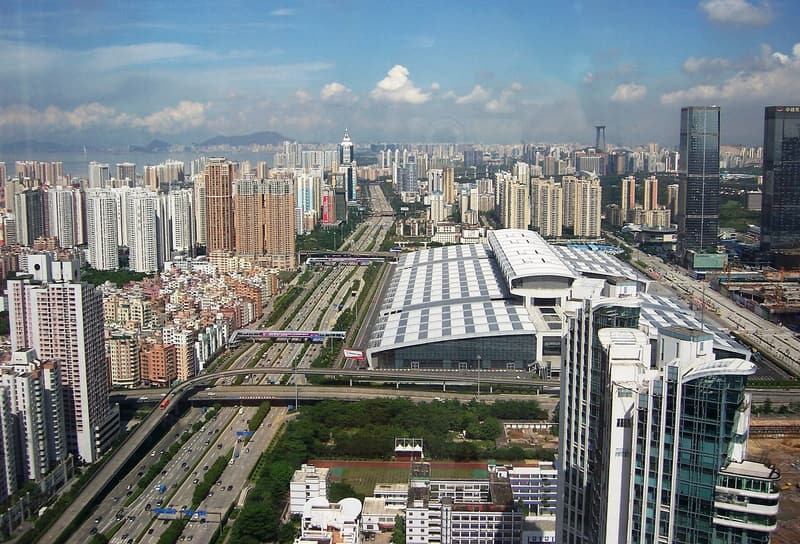
Representative photo · Photo: Hawyih / Wikimedia Commons, Public domain
An unprecedented US-China-Russia trilateral summit in Shenzhen raises questions for New Delhi's strategic positioning and the future of the RIC format.
The city was still buzzing, the lights of APEC still on, and China's Foreign Minister was claiming the narrative after a landmark gathering. What took place in Shenzhen was not routine summitry, but the first-ever trilateral meeting between the presidents of China, Russia, and the United States—Xi Jinping, Vladimir Putin, and Donald Trump—ending in a joint Declaration Toward Peace.
China's Foreign Minister called it a historic achievement and a peace summit. According to the official readout, Xi, Putin, and Trump engaged in deep discussions on safeguarding world peace and promoting strategic stability. While President Putin first raised the idea and Trump endorsed it, Xi framed China as the driving force.
Shenzhen proved that Moscow and Beijing will talk to Washington when it suits them.
Testing the claims against the Declaration reveals no mention of the ongoing wars in Ukraine and Iran. The document outlines priorities including changing the United Nations, boosting oil supplies, and protecting diplomatic immunity. It reaffirms that a nuclear war cannot be won and must not be fought, using language identical to the permanent members of the UN Security Council, but offers no framework for denuclearisation. On energy, the three agreed to maintain stable supply chains and increase refined petroleum production, though without specific details on pricing or supply.
For months, India's strategic circles have debated the revival of the Russia-India-China format, known as RIC. While RIC remains relevant within BRICS and SCO platforms, Shenzhen raises a sharper question regarding its independent strategic relevance when Russia and China are willing to sit with America and issue a joint declaration without India.
Why it matters
New Delhi must ensure that when Moscow and Beijing talk to each other, India is not left as an afterthought. Without India—the largest claimant for a permanent Security Council seat—at the table, UN reform discussed by three powers risks becoming reform about the rest of the world rather than with it. The future of strategic formats will depend on whether forward-looking normalisation between New Delhi and Beijing converts into concrete cooperation.
Sources
More like this
MP Criticises Guernsey and Jersey Company Ownership Plans
The European Revolt May Be Coming to the UK
Why Somalia turned against its former ally the UAE