Netanyahu’s Rhetoric Echoes the Atmosphere Before the Yitzhak Rabin Assassination
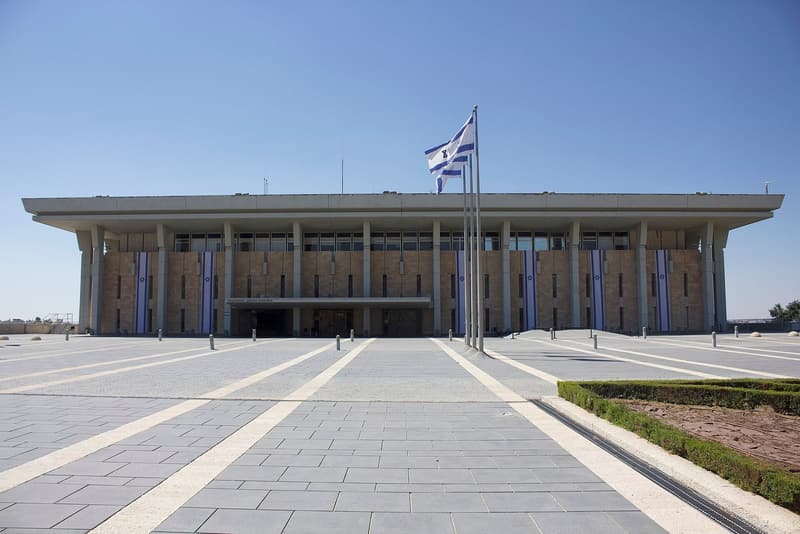
Representative photo · Photo: Clema12 / Wikimedia Commons, CC BY-SA 4.0
Benjamin Netanyahu’s recent attacks on Arab lawmakers mirror the dangerous incitement that preceded the 1995 assassination of Israeli Prime Minister Yitzhak Rabin.
Israeli Prime Minister Benjamin Netanyahu is facing intense scrutiny for his increasingly divisive political rhetoric. As Benjamin Netanyahu and Yitzhak Rabin remain central figures in the history of Israeli political discourse, observers note that the current leader's recent attacks on Arab political representatives echo the inflammatory atmosphere that preceded the 1995 assassination of Yitzhak Rabin. Critics argue that by labeling elected Arab members of the Knesset as supporters of terrorism, Netanyahu is effectively declaring open season on his political rivals.
The legacy of Benjamin Netanyahu and Yitzhak Rabin
History provides a stark precedent for the dangers of such language. In the lead-up to the 1995 assassination, the Israeli right-wing engaged in a campaign of extreme vitriol against Rabin for his role in the Oslo Accords. Netanyahu, then leader of the opposition, famously participated in a protest where Rabin was depicted in a Nazi uniform. While he later distanced himself from the imagery, he never expressed formal regret. Many observers believe this period of incitement created the environment that allowed extremist Yigal Amir to justify his decision to pull the trigger.
Today, Netanyahu is accused of employing similar tactics to maintain power and shield himself from ongoing legal challenges. During the recent election cycle, he utilized dog-whistle politics to question the legitimacy of Arab voter turnout. Following the election, he escalated these claims by alleging electoral irregularities and portraying his political opponents as collaborators with those who seek the destruction of the Jewish state. This rhetoric persists despite the fact that Netanyahu himself has previously courted Arab parties when it served his own political interests.
Netanyahu’s legitimization of extreme rhetoric risks inciting violence similar to the atmosphere before Rabin’s death.
By normalizing this language, critics warn that the Prime Minister is releasing a "racist genie" that could lead supporters to interpret his words as a license for physical violence. The inclusion of far-right figures in his government, such as Itamar Ben-Gvir, who has a history of convictions for incitement to racism, further complicates the political landscape. As the distinction between mainstream leadership and extremist elements blurs, the potential for communal violence or civil unrest continues to grow.
Why it matters
The current political climate in Israel risks escalating into widespread communal violence or civil conflict. By casting political opponents as existential threats, Netanyahu’s rhetoric creates a dangerous environment where extremist zealots may feel emboldened to act on his suggestions, potentially targeting both Arab and Jewish politicians who advocate for cooperation.
Sources
More like this
UK-EU Deal Remains Valid Regardless of Tuition Fees Agreement, Says Miliband
Israel's Opposition Bloc Faces Internal Divisions Amid Netanyahu's Maneuvering

Victorian Greens seek court injunction against independent candidate's voting cards