
Qatar Proposes Deal to Reopen Strait of Hormuz and Inspect Iran Sites
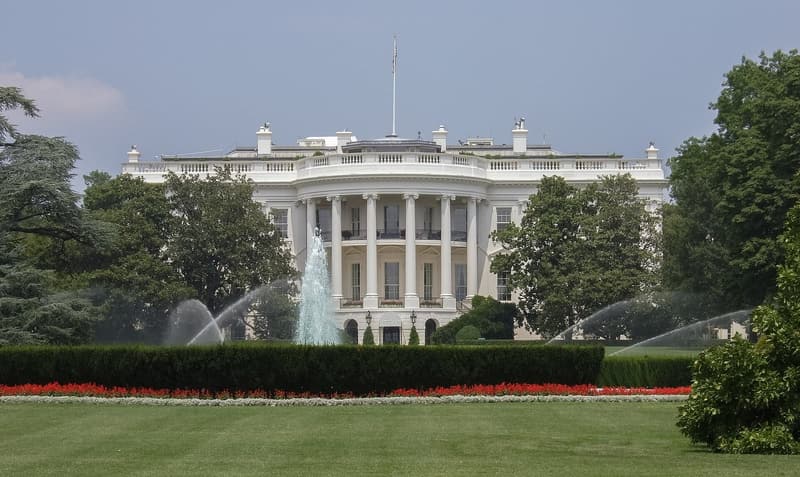
Representative photo · Photo: Zairon / Wikimedia Commons, CC BY 4.0
Qatar is mediating a potential agreement that could reopen the strait of hormuz and allow UN nuclear inspections in Iran.
Qatar is acting as the primary mediator in the ongoing conflict involving the United States and Iran, pursuing a diplomatic initiative that could see the strait of hormuz reopened. Under the proposed diplomatic framework, Tehran would permit United Nations nuclear weapons inspectors to visit previously targeted nuclear sites. These locations include facilities that house the nation's stockpile of highly enriched uranium.
According to the proposal, Iran would not be forced to remove its enriched uranium stockpile from the country. Alternative measures remain under discussion, such as reducing the uranium content via down-blending. In exchange, the United States would immediately lift the naval blockade in the strategic waterway and release a portion of Iran's eight billion dollars in frozen assets. Following this, Iran would agree to International Atomic Energy Agency inspections based on a previous agreement reached in Cairo.
Furthermore, Iran would open the maritime route on the second day, following a pre-arranged path coordinated with Oman and registered with the International Maritime Organisation. Tehran maintains several additional preconditions, including an end to the conflict in Lebanon, the withdrawal of American forces from the Iranian coastline, the lifting of specific economic sanctions, and war reparations. Meanwhile, the Qatari emir discussed the diplomatic initiative with Donald Trump, emphasizing the necessity of ongoing dialogue to prevent further regional escalation.
Qatari mediation aims to reopen the strait of hormuz and allow UN inspections in Iran.
Simultaneously, discussions regarding the future administration of the waterway continue between Omani officials and Iran. While certain vessels from specific nations have been granted limited passage through the route, recent security incidents involving naval mines and damaged tankers highlight ongoing tensions in the eastern sector of the strait.
Why it matters
The potential reopening of this vital shipping lane carries significant implications for global trade and energy markets. Reports indicate that substantial portions of Gulf crude passing through the waterway are bound for major Asian economies, including China and India, making the stability of the route crucial for regional energy security and international commerce.
Sources
More like this

Giant pandas Ping Ping and Fu Shuang make public debut at Atlanta zoo
Qatari Prime Minister Stated US Willing to Seek Solution to Iran Conflict

Beachcombers in Morocco search for history and hidden items