Dormice Thrive at National Trust Site Despite Declines
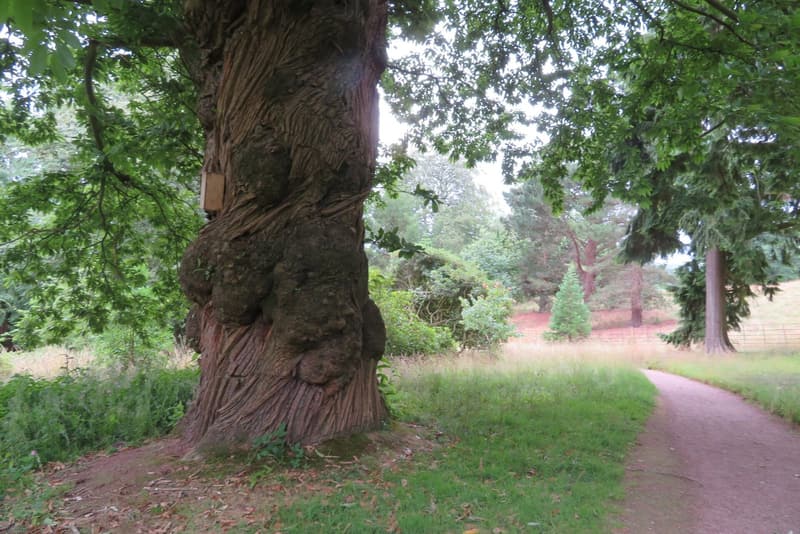
Representative photo · Photo: John C / Wikimedia Commons, CC BY-SA 2.0
Experts report that hazel dormice are thriving at a National Trust location in Devon, defying wider national population declines.
Hazel dormice are continuing to thrive at a designated National Trust location in Devon, defying broader downward trends seen across the country, according to wildlife experts. Conservationists attribute this local success to targeted habitat management and ongoing monitoring work.
The Killerton estate maintains one hundred specialized nest boxes across its grounds. Between the months of April and October, conservation staff carefully weigh and record detailed information on every mouse encountered.
Specialists from the People's Trust for Endangered Species note that populations throughout the United Kingdom have fallen by more than two thirds since the year 2000. Experts primarily blame this widespread reduction on habitat fragmentation.
Conservation workers at the site hope the small mammals, which generally weigh between twenty and forty grams, will accumulate sufficient fat reserves to begin hibernation in the coming weeks and successfully endure the upcoming winter period.
Protecting Local Ecosystems
Fi Hailstone, a senior ranger at the Killerton property, explained that weather fluctuations directly impact the animals. Unseasonably warm conditions can awaken them prematurely, while wet spring seasons hinder their ability to forage effectively upon waking.
Hailstone emphasized the necessity of a resilient ecosystem providing abundant shelter, scrub growth, and food sources. Although garden plants like brambles often receive unfavorable attention, she described them as an essential life source offering seasonal flowers, berries, and protective cover against predators.
Devon functions as a notable stronghold for these creatures due to its dense network of hedges. Monitoring efforts at Killerton began in 2018, revealing a stable local population that actively bucks national downward trends.
Staff members observe dormice occupying newly established areas, signaling outward expansion across the estate driven by continuous hedge and tree planting initiatives. While newly planted woodlands require decades to benefit wildlife, managing existing woodlands positively remains vital.
Hazel dormice are defying national population declines thanks to targeted habitat management and new tree planting.
Members of the public who encounter a dormouse during the winter months are advised against picking the animal up, and should instead contact the RSPCA or a local animal shelter immediately.
Why it matters
Killerton National Trust maintains one hundred nest boxes across its estate in Devon.
Sources
More like this

Cop31: What to expect as global climate summit begins

Hundreds of Seagrass Shoots Discovered in Fowey Estuary

Banana Producers in Latin America Demand Higher Pay Amid Climate Crisis