Singapore Studies Advanced Nuclear Energy as Part of Long-Term Strategy
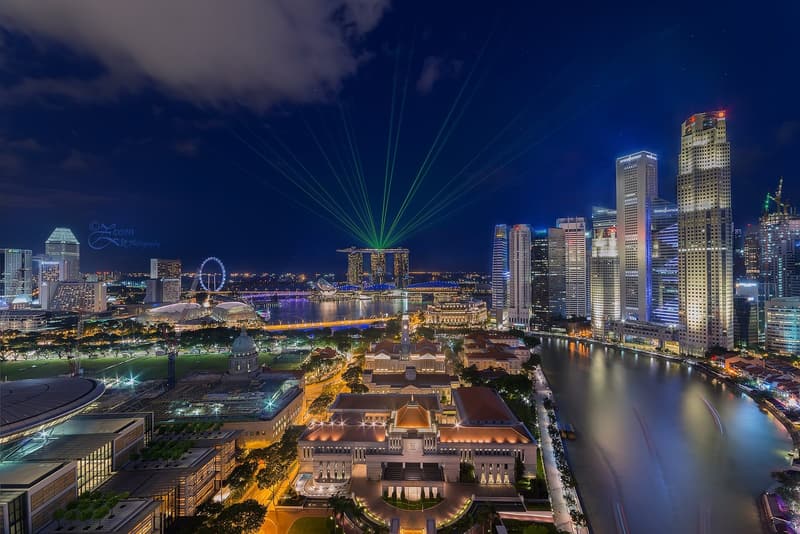
Representative photo · Photo: Zexsen Xie / Wikimedia Commons, CC BY 2.0
Minister Tan See Leng says Singapore is closely monitoring small modular reactor technology to diversify its energy mix and reduce reliance on natural gas.
As Singapore evaluates its future energy landscape, Minister for Energy, Trade and Industry Tan See Leng has emphasized that the government is keeping all options open, including the potential role of advanced nuclear energy. During a recent media engagement, Tan See Leng discussed the government's cautious approach to emerging technologies, noting that while no formal decision has been made, the nation is scrutinizing developments in small modular reactors (SMRs) to meet growing power demands.
Singapore is evaluating advanced nuclear technology as a potential low-carbon source to secure its future energy needs.
Understanding Tan See Leng and Nuclear Safety
Addressing public concerns regarding safety, Tan See Leng highlighted that modern reactor designs are fundamentally different from older plants. He pointed to the development of TRISO fuel, which utilizes multiple protective layers to contain radioactive material, as a key advancement. These reactors often feature passive safety systems that require minimal human intervention, significantly reducing the risk of accidents compared to historical nuclear incidents.
Starting in 2027, Singapore will undergo an Integrated Nuclear Infrastructure Review by the International Atomic Energy Agency. This assessment will help determine if the country possesses the necessary frameworks and expertise to potentially deploy SMRs. These reactors, which can generate up to 300 megawatts, are noted for their compact size and enhanced safety features. Developers are even exploring microreactors, some of which can fit within a single container.
Despite these technological strides, the government remains focused on a diversified energy strategy. Natural gas currently accounts for approximately 95 per cent of the nation's electricity, a figure expected to decrease to half by 2050 as the country incorporates solar, geothermal, green hydrogen, and potentially nuclear power into its grid. To ensure energy security, Singapore has also expanded its liquefied natural gas import sources and is developing a second terminal.
Why it matters
This ongoing study of nuclear energy represents a strategic shift toward long-term sustainability. By exploring low-carbon alternatives, Singapore aims to reduce its heavy dependence on imported natural gas, ensuring a more resilient and secure power supply for its citizens as energy demand continues to rise.
Sources
More like this
White House Cyber Director Ousted Following Major Technology Outages

Why Canada is becoming a hub for AI data centres

UK Secures Tens Of Thousands Of Fridges In Secret Anti-Hacker Operation