US Navy Fleet Costs Soar Amid Focus on New Trump-Class Warships
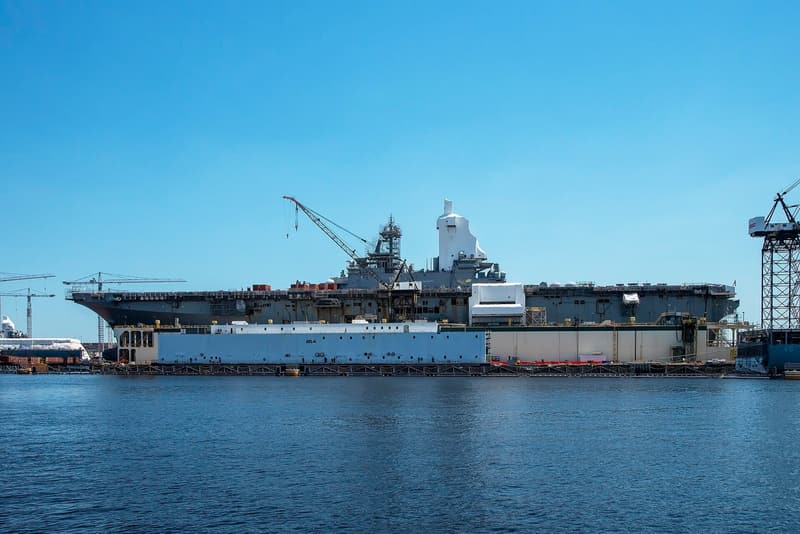
Representative photo · Photo: Bruce Emmerling / Wikimedia Commons, CC BY-SA 4.0
A congressional report warns that U.S. naval fleet costs have blown out by billions due to commitments to the new trump-class warships.
The U.S. Navy's commitment to acquiring new trump-class warships has significantly increased the projected cost of its future fleet by billions of dollars, according to a report submitted to the U.S. Congress. As the navy faces mounting pressure and outpaced shipbuilding by China, officials are grappling with severe overstretch.
During a Senate confirmation hearing, acting secretary of the navy Hung Cao conceded that the ongoing conflict with Iran is severely straining the fleet's capacity. Deployments have regularly exceeded 300 days, with critical maintenance and repair schedules deferred to keep vessels at sea. The situation was underscored this week when the USS George Washington returned from the Middle East, ending a rare three-month period where the Pacific had no aircraft carrier.
The Congressional Budget Office (CBO) analyzed the navy's shipbuilding plan and found that projections underestimated costs by billions. The CBO reported that total shipbuilding expenses will average $54 billion annually over the next thirty years, which is about 18 percent higher than navy estimates. Much of the additional expense stems from the decision to acquire 15 large, heavily armed trump-class battleships, concentrating firepower into a few massive vessels rather than distributing it.
President Donald Trump has previously stated that these proposed warships will be significantly more powerful than any previous vessel in the U.S. fleet and will inspire fear in adversaries globally. However, Senate appropriators recently proposed cutting to zero the $1 billion sought by the navy in advanced procurement for the program this fiscal year.
Rising fleet costs and extended deployments highlight mounting pressures on the U.S. Navy.
Meanwhile, the conflict in Iran has driven up commercial shipping and insurance costs dramatically, placing a heavy financial burden on global consumers through higher prices for fuel, fertilizer, and food. Navigational traffic through the Strait of Hormuz remains severely reduced compared to pre-war levels.
Why it matters
The rising costs and operational strain on the U.S. Navy highlight broader economic and security vulnerabilities that ripple globally. Higher shipping and insurance costs in contested waterways directly impact international supply chains and consumer prices for essential goods worldwide.
Sources
More like this

Reform UK and Restore Britain consider electoral pact amid stalling poll performance

Senate Race: Schumer and Van Hollen Clash Over Israel Policy

UK Prime Minister secures new trade and youth mobility deals with the EU