UK and EU Expected to Approve New Youth Mobility Scheme at Summit
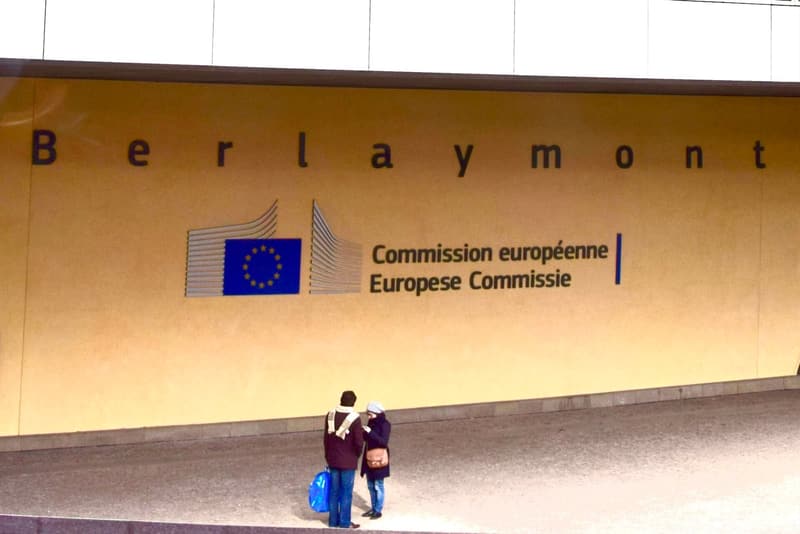
Representative photo · Photo: Ank Kumar / Wikimedia Commons, CC BY-SA 4.0
The UK and EU are expected to agree on a youth mobility scheme allowing up to 100,000 young people to travel and work in each region annually.
The United Kingdom and the European Union are expected to finalize a youth mobility arrangement during Friday's summit in Brussels, as negotiators work through discussions down to the wire. Under the planned terms, up to 100,000 young people from the EU would receive permission to study, travel, and work in the UK each year, with an identical number of young Britons gaining access to Europe.
While Downing Street has withheld comment on specific figures, the prime minister indicated that additional topics on the table include a Channel action plan regarding immigration, alongside potential rules governing food trade and carbon emissions pricing. The UK currently maintains agreements with 13 non-EU countries, including India, Canada, and Australia. A prior proposal from the EU in 2024 to permit broader work and study access for individuals aged 18 to 30 was initially rejected by Labour over concerns regarding freedom of movement, though the current government has explored a more restricted framework featuring strict time limits, numeric caps, and a ban on public benefits.
Up to 100,000 young people annually could gain work and study access under the new UK-EU youth mobility agreement.
Negotiations have also encountered hurdles regarding the UK's desire to limit participant numbers and the EU's request for equal tuition fees for EU students attending British universities. Officials noted that potential trade agreements on food could remove border checks and paperwork for exporting businesses, potentially adding billions to the economy and lowering consumer food costs, though this may require adherence to specific EU product standards.
Political reactions have varied across the spectrum. Conservative leader Kemi Badenoch expressed concern that the discussions might reopen divisions from the Brexit referendum and cautioned against trading without caution regarding regulatory alignment. Meanwhile, officials defending the summit's objectives emphasized potential gains in cross-border law enforcement cooperation, data sharing, and economic collaboration.
Why it matters The upcoming agreements could reshape trade, immigration policies, and regulatory standards between the UK and the EU, directly affecting import costs for food, business procedures, and cross-border opportunities for young citizens. For international observers and individuals connected to the region, the outcome sets a precedent for how post-Brexit relations will be managed moving forward.
Sources
More like this

Belgrade Mayor Charged With Assaulting Politician
Lauren Boebert Reflects on Election Loss and Relationship with Donald Trump

US Senators Vow to Restore Financial Watchdog Agency Following Investigation