Stock Market Declines as Dow Drops Below 50,000 Amid Six-Day Losing Streak
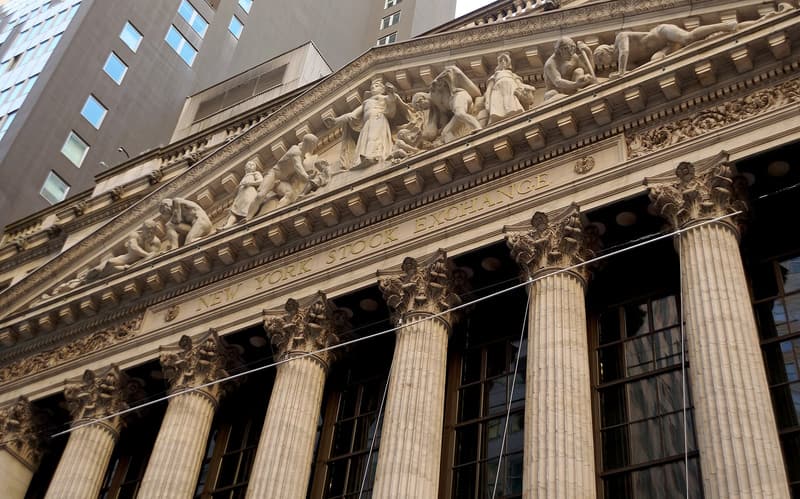
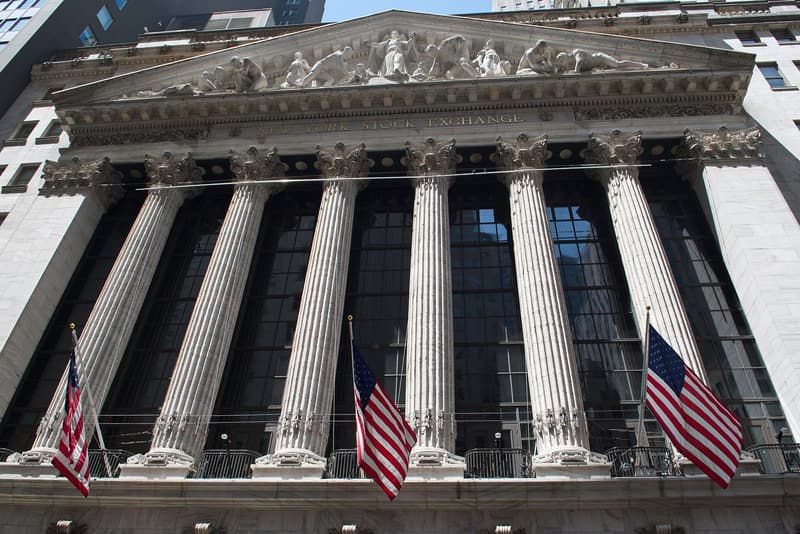
Representative photo · Photo: 颐园居 / Wikimedia Commons, CC BY-SA 4.0
The S&P 500 has marked its longest losing streak since April 2024, while the Dow Jones Industrial Average closed below the 50,000 threshold on Thursday.
This is news, not investment advice. NexVani Media is not a SEBI-registered investment adviser and does not recommend buying or selling any security. Do your own research or consult a registered adviser before investing.
Investors seeking to understand why stock market is down today are facing a broad retreat across major indices. On Thursday, 19 November 2026, the Dow Jones Industrial Average shed 1,101 points to close at 49,097, marking the sixth consecutive session of losses for the S&P 500. This downward trend has left the Nasdaq in correction territory, defined as a 10% fall from a record close, while the Dow and S&P 500 remain above their respective correction levels.
The S&P 500 has recorded its longest losing streak since April 2024 as major indices face downward pressure.
Market analysts have noted that no single catalyst explains the current volatility, with over 90% of S&P 500 stocks declining during the recent session. Pressure on the technology sector has been significant; Nvidia saw an early gain erased to end 3% lower, while AMD shares fell approximately 8% following a report from short seller Hunterbrook regarding server firmware. Furthermore, the healthcare sector faced headwinds, with UnitedHealth shares down about 5% midday Thursday amid concerns over a proposed Medicare Advantage audit rule.
Global markets have mirrored this sentiment. Asian chip stocks slumped on Friday, with Taiwan’s Taiex falling 6.2% to record its worst week since 1991. Japan’s Nikkei 225 and South Korea’s Kospi also saw sharp declines of 5.1% and 5.2% respectively. Meanwhile, TSMC has reportedly begun pausing certain advanced chip orders from Chinese designers to comply with new US export regulations that took effect on 19 November.
Investors are also navigating a rotation in capital. The debut of Anthropic, which closed 17% above its IPO price, saw retail investors reportedly selling other single stocks—particularly in the AI sector—to fund their purchases. This shift has added further strain to chip-related equities. Additionally, market participants are weighing the implications of high Treasury yields, which tend to pressure growth shares by lowering the present value of future profits.
Why it matters
The current market environment reflects a convergence of regulatory, sector-specific, and macroeconomic pressures. With the Federal Reserve’s December meeting approaching, markets are pricing in a high probability of a rate hike, which influences global liquidity and investor risk appetite. These fluctuations impact international investors and those tracking global tech supply chains, as shifts in US market sentiment often trigger volatility in Asian indices and beyond.
Sources
More like this
Anthropic shares fall back toward IPO price after debut
Global Markets Slump as Anthropic IPO Fails to Halt AI Sell-Off

SEBI Proposes Scrapping Additional Disclosure Framework for FPIs