Ukraine blames Russia after air alert app sends out false warnings
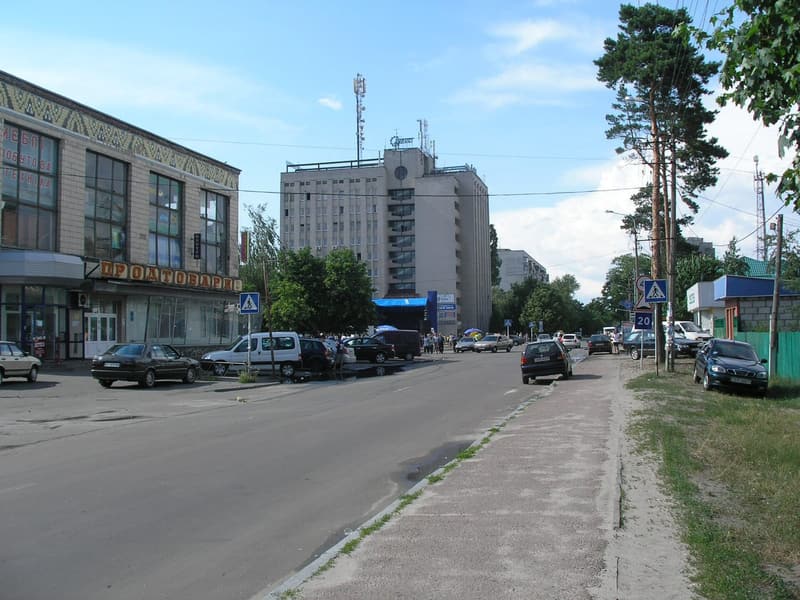
Representative photo · Photo: Dima Sergiyenko; Please attribute this i / Wikimedia Commons, CC BY-SA 4.0
Ukraine’s air raid alert app issued erroneous warnings following a suspected cyberattack. Russia’s own emergency mobile application also reported a massive security breach.
Ukraine’s Air Force has reported that its official air raid alert application, used to warn citizens of incoming attacks, sent out a series of incorrect notifications on Sunday. The erroneous messages warned residents in and around Kyiv of potential street combat, as well as threats regarding nuclear and chemical hazards. Furthermore, one of the false alerts claimed that Russia had deployed its advanced Oreshnik hypersonic missile.
As citizens sought clarity, the Ukrainian Air Force issued a statement on Telegram clarifying that the system appeared to have been subjected to enemy interference. They emphasized that there was no actual radiation threat and urged the public to remain calm while monitoring official channels for accurate updates. This incident comes amidst the ongoing ukraine russia war, a conflict that continues to impact regional stability.
Both Ukraine and Russia reported cyberattacks on their respective emergency alert mobile applications over the weekend.
Understanding the ukraine russia war alerts
SPRAVDI, the Centre for Strategic Communications in Ukraine, publicly attributed the security breach to Russian actors via a post on X. While the nationwide air alert app was compromised, local authorities in Kyiv noted that a separate, dedicated application for the capital remained operational and functioned as expected.
Following the events in Ukraine, Russia’s Emergencies Ministry announced early Monday morning that its own mobile application had been hit by a massive cyberattack. The ministry confirmed via Telegram that this breach resulted in the dissemination of false information to its users.
These digital disruptions occurred shortly after the conclusion of a localized ceasefire in the Kherson region. This truce, which began on Tuesday and ended on Sunday, was noted as the longest period of relative calm experienced since the start of the conflict.
Why it matters
The simultaneous compromise of emergency alert systems in both nations highlights the increasing role of cyber warfare in the current conflict. For civilians, these incidents create significant confusion and psychological distress, as real-time alerts are essential for safety.
While the direct impact is localized to the conflict zone, the weaponization of public infrastructure serves as a reminder of the fragility of digital safety systems during wartime. For international observers, including those in India and South Asia, these events underscore how cyber vulnerabilities can complicate humanitarian efforts and public safety in high-tension geopolitical environments.
Sources
More like this

Tens of thousands build 108 Buddhist stupas for Bhutan mindfulness city

Spain Train Crash: Foreign Nationals Among 69 Dead as Identification Nears End
All nine people die in Florida business jet crash