

Stock Market
Understanding dividend trends and Procter & Gamble's payout history
Representative photo · Photo: Warren LeMay from Cincinnati, OH, United / Wikimedia Commons, CC0
By: NexVani DeskDate: 9 November 2026Views: 0
An explainer on dividend investing, examining Procter & Gamble's decades-long streak of payout increases amid shifting market conditions.
This is news, not investment advice. NexVani Media is not a SEBI-registered investment adviser and does not recommend buying or selling any security. Do your own research or consult a registered adviser before investing.
What is dividend? A dividend is a distribution of a portion of a company's earnings paid to its shareholders. In the current market landscape, dividend stocks such as Procter & Gamble attract attention for their consistency, stability, and potential to provide regular income even during economic downturns.
Reinvesting dividends over decades can transform a modest initial stake into substantial long-term returns.
Why is it trending? Dividend has become a focal point of investor interest as shifting economic policies, including Federal Reserve rate decisions and cooling technology sector stocks, drive market participants toward defensive consumer staples. Procter & Gamble stands out in this environment due to its prolonged history of financial resilience and consistent capital returns.
What happened? Procter & Gamble has maintained a steady upward trajectory in shareholder returns, marking a streak of consecutive annual increases that spans decades. Historical figures show that investing $1,000 in the company in 2006 and reinvesting all dividends grew the total value significantly by 2026. The firm currently maintains a quarterly payout supported by steady demand for everyday household products. While valuation metrics place the stock at a higher multiple of earnings, its payout ratio remains manageable relative to its free cash flow generation.
What comes next? As market participants evaluate defensive allocations heading into upcoming fiscal periods, companies with long-standing payout histories will likely remain under observation. Analysts note that consistent cash distributions help cushion portfolios against inflationary pressures and economic uncertainty, though broader market dynamics and consumer spending trends will continue to influence sector performance.
Why it matters Understanding how payouts function provides clarity for investors navigating fluctuating market cycles. For readers in India and globally, examining the mechanics of long-term capital growth highlights the role of steady income-generating assets in diversified portfolios.
Sources
- Pluang: Reinvesting dividends turned $1,000 in Procter & Gamble into $4,656 over 20 years.
- Yahoo Finance: This Dividend King Has Raised Its Payout Through Every Recession Since the 1950s. I'm Buying Before the End of the Year.
- Happi | Household And Personal Products Industry: Sales Increase 4% for P&G in Q1 2027
Related
More like this
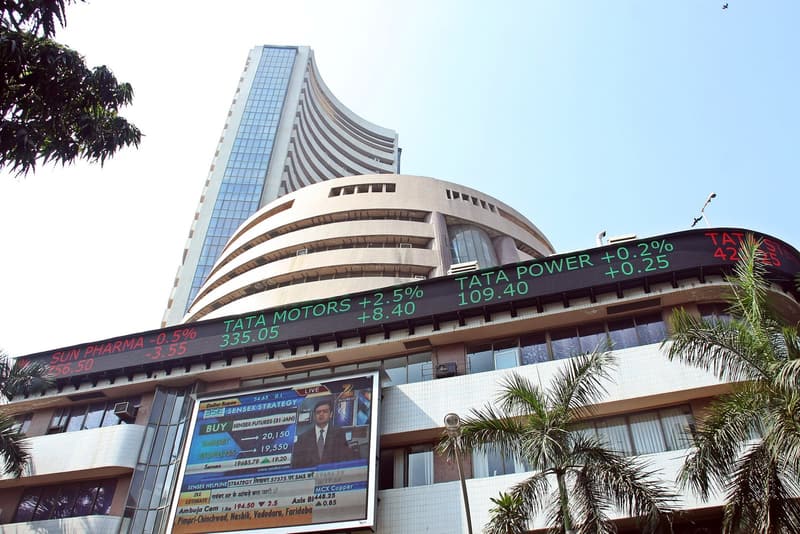
Stock Market Today LIVE: GIFT Nifty and Brent Crude Updates
NDNexVani Desk-
How Investors Prepare for Potential Stock Market Drops
NDNexVani Desk-
Muhurat trading stock picks 2026: Samco Securities unveils portfolio
NDNexVani Desk-
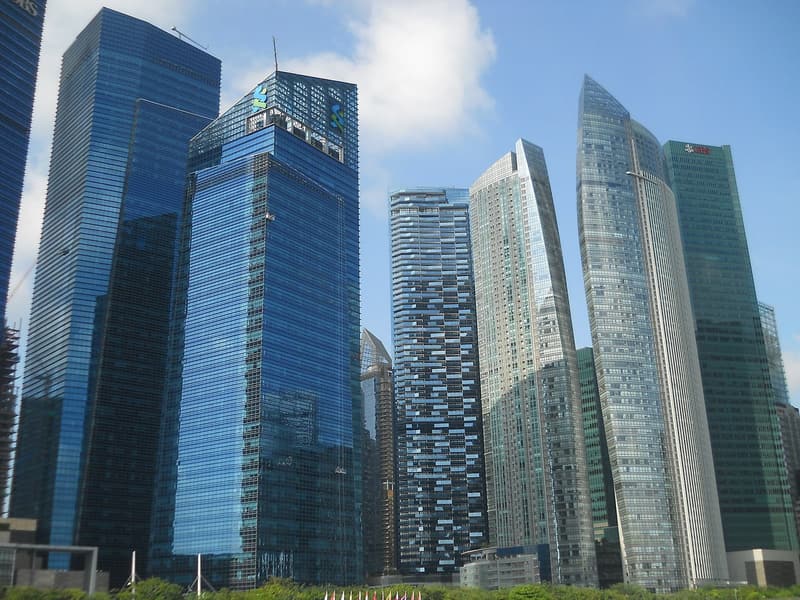
No two days are the same: Inside Singapore stock market remisiers
NDNexVani Desk-