US Petrol Prices Fall, But Inflation Remains a Persistent Challenge
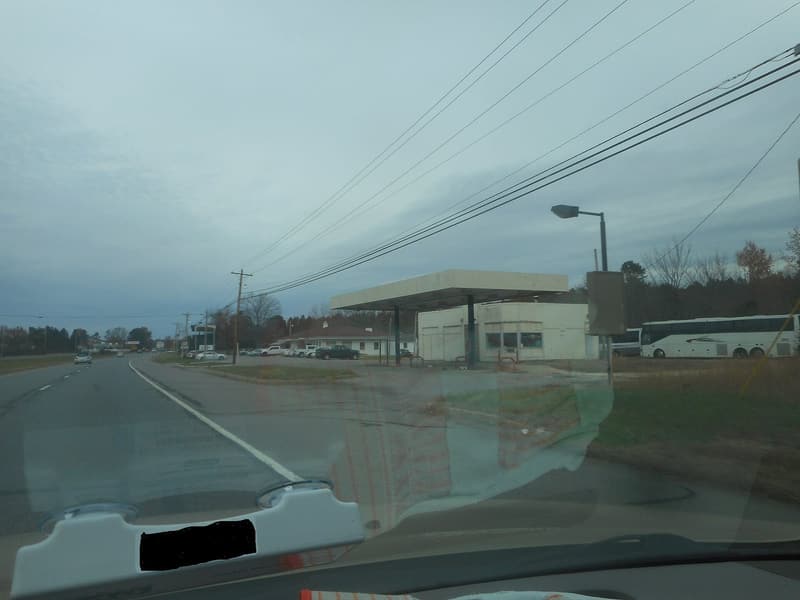
Representative photo · Photo: DanTD / Wikimedia Commons, CC BY-SA 4.0
While US petrol prices have dipped to a four-month low, persistent inflation continues to strain the economy, impacting the political landscape following recent midterm election losses.
Despite a recent decline in fuel costs, consumer prices in the United States rose by 0.4 percent in October, according to the Bureau of Labor Statistics. This increase exceeded expectations from both the Federal Reserve Bank of Cleveland and economists surveyed by FactSet, who had anticipated more modest growth. The data highlights a continuing inflationary trend that has persisted since July, driven largely by rising costs for food and shelter.
Fluctuations in petrol prices have been a central concern for the American public. Recent reports indicate that the average cost of a gallon of fuel has fallen below $4 for the first time since July, reaching $3.98. This easing follows a reduction in market concerns regarding the long-term impact of the Strait of Hormuz closure. However, current costs remain significantly higher than the $3.07 recorded a year ago and the $2.98 seen in late February.
Persistent inflation continues to challenge the US economy despite a recent decline in petrol prices.
Understanding Petrol Prices
Public interest in petrol prices remains high as households navigate the ongoing cost-of-living crisis. The economic environment played a decisive role in the November 3 midterm elections, where voters identified the cost of living as a primary concern. A Reuters/Ipsos poll conducted prior to the vote found that 78 percent of participants viewed these financial pressures as critical. The resulting political shift saw the Republican Party lose control of both the House of Representatives and the Senate, with major losses occurring in states such as Kansas and Texas.
President Donald Trump has recently signaled that further military action against Tehran is unlikely, describing the Iranian military situation as effectively over. Both the President and senior officials, including Vice President JD Vance, have acknowledged that the ongoing conflict with Iran has contributed to the economic strain and subsequent electoral setbacks for the Republican Party. Public approval for the President's job performance has also suffered, hovering near a record low of 32 percent.
Why it matters
The persistence of inflation despite lower fuel costs suggests that economic pressures extend well beyond energy markets, affecting the broader cost of living for American families. This trend has significant political implications, as demonstrated by the recent shift in congressional control.
For readers in India and South Asia, these developments are noteworthy due to the global nature of energy markets and the ongoing geopolitical tensions in the Middle East. Changes in US economic policy and stability in the Strait of Hormuz directly influence global oil supply chains and international fuel pricing.
Sources
More like this

New Regulation for Heating Oil Market Without Price Controls
US inflation rose 0.4% in October as gas costs dipped
Essential goods sales rise following Be Ready emergency campaign