US Voters Reject Datacenters in Midterm Elections
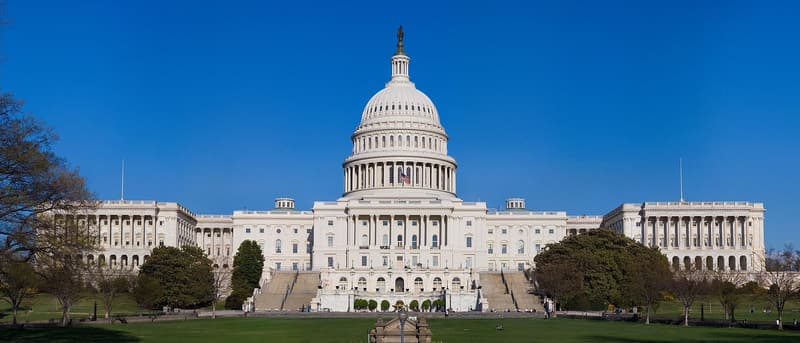
Representative photo · Photo: Noclip / Wikimedia Commons, Public domain
Voters across multiple US states approved numerous bans and moratoriums on datacenters during Tuesday's midterm elections.
Voters in numerous jurisdictions across the United States delivered a firm rejection of large digital infrastructure projects during Tuesday's midterm elections. Measures concerning datacenters appeared on ballots in at least forty different locations spread across ten states, with the public showing strong opposition to the large buildings that house the semiconductor chips powering artificial intelligence and other online services.
In Ohio, voters in fourteen municipalities approved restrictions or outright bans on datacenter development. This included Sunbury, where Amazon had proposed a project valued at two million dollars. Similarly, eight municipalities in Maine enacted temporary moratoriums, while Emporio in Kansas approved a ban on high-impact facilities following a proposal for a large gigawatt-scale project. Nearly every proposed moratorium placed before voters passed, with the sole exception of a small North Dakota community of under one thousand residents that rejected development restrictions.
Electoral outcomes also affected leadership positions. In Texas, Gina Hinojosa secured a gubernatorial victory after campaigning on promises to halt new construction and demand greater community input regarding these facilities. Newly elected governors in Georgia and Ohio also committed to enforcing moratoria on large-scale centers. Meanwhile, outgoing Texas leader Greg Abbott had shifted his position near the end of his term by attempting to remove electricity subsidies previously granted to the facilities.
Political opposition to large compute facilities has developed into a bipartisan topic following actions such as Florida governor Ron DeSantis signing strict regulations earlier in the year. Following the election results, Elon Musk shared a remark on social media platform X about off-world alternatives, while having previously contributed significant financial support to conservative candidates.
Financial analysts noted potential impacts on the technology sector. Dan Ives stated that the election outcomes indicate a deceleration in facility expansion. Ives pointed out that Democratic control of the Senate could introduce legislative challenges for the tech industry, specifically highlighting concerns regarding Texas, where a significant portion of upcoming capacity is planned.
Why it matters
The widespread rejection of digital infrastructure in local elections highlights growing public resistance to the resource demands of artificial intelligence technologies. These political developments introduce potential regulatory hurdles for technology firms planning large-scale expansions in the United States.
Sources
More like this

Bengaluru Techies Lifestyle Spending Contrast: A Look At Monthly Expenses

Telstra apologises after phantom missed call alerts

UK Government Considers Smart Glasses Ban Over Secret Filming Concerns