How the Downfall of Serbia's Vučić Mirrored Hungary's Orbán
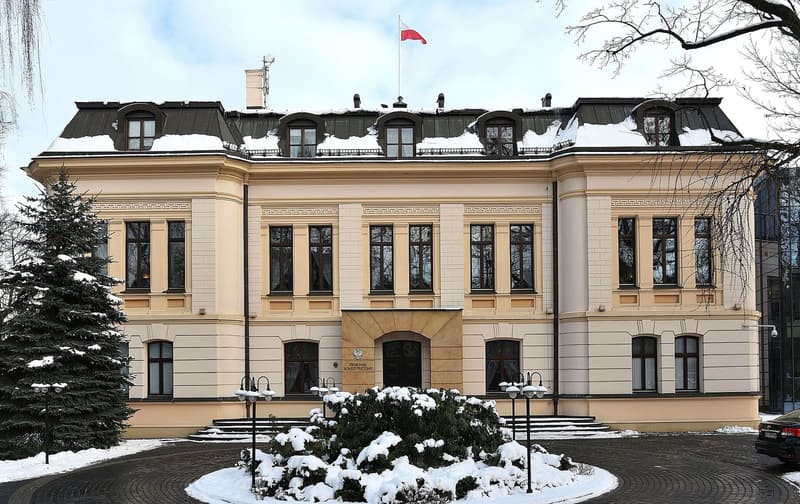
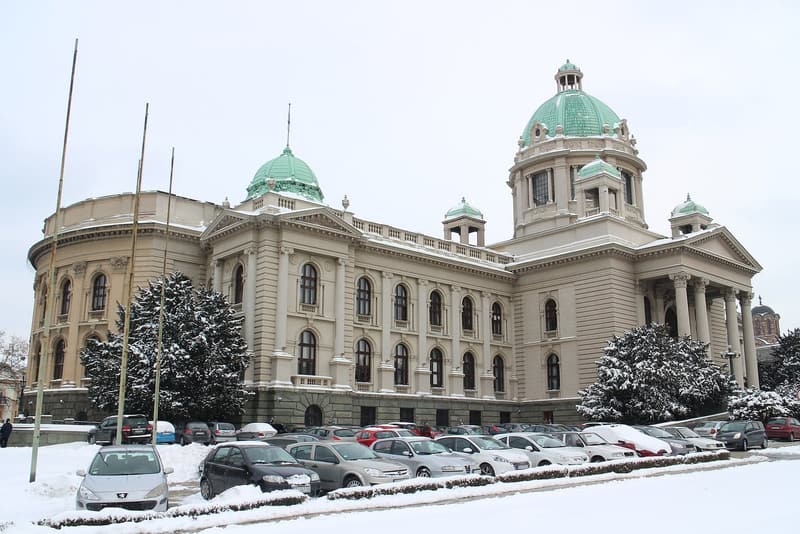
Representative photo · Photo: Suicasmo / Wikimedia Commons, CC BY-SA 4.0
The surprise defeat of Serbian leader Aleksandar Vučić closely mirrored the earlier fall of Hungary's Viktor Orbán following massive voter turnout.
When Serbian President Aleksandar Vučić and Hungarian Prime Minister Viktor Orbán met last November in northern Serbia, neither expected to lose power within a year. Both long-serving leaders were ultimately ousted by popular movements driven by young, tech-savvy voters. Viktor Orbán fell first in April after losing to Péter Magyar's Tisza party, while a youth movement won Serbia's parliamentary elections by a landslide last weekend.
While Hungary's Tisza party centered heavily on its leader, Serbia's student group maintained it had no formal leadership. Despite structural differences, both nations recorded massive voter turnouts of 79% and 69% respectively. Young citizens utilized artificial intelligence tools to analyze data, spot voting threats, and deploy tens of thousands of election monitors. Civic activists from Hungary even traveled to Vojvodina prior to the vote to share strategic workshops and help identify vulnerable polling districts.
Popular youth movements and massive voter mobilization unseated long-serving leaders in both nations.
Both defeated leaders had dominated politics for over a decade, building extensive political and business networks while maintaining close ties with foreign leaders like Vladimir Putin and Xi Jinping. The parallels in their political demises extended to the exact timing of their concessions at 21:30 on election night. Reports suggest the two allies spoke afterward, with Orbán allegedly advising against the use of force as masked vigilantes gathered near polling stations.
Numerical similarities also marked the votes, as both winning factions secured 140 parliamentary seats. Both men, aged 63 and 56, now face potential legal scrutiny regarding corruption and abuse of power through parallel prosecutorial mechanisms in their respective countries.
Why it matters
The simultaneous political collapse of two entrenched nationalist leaders through organized youth movements and digital monitoring marks a major shift in regional governance. This unexpected democratic transition could reshape political alliances across Central and Eastern Europe, altering future infrastructure projects, business deals, and diplomatic relations with major global powers.
Sources
More like this
Polish president Karol Nawrocki holds crisis talks over court standoff
Abdul El-Sayed Asks Haley Stevens to Avoid Campaign Events
India opposition plans major Delhi rally over voter roll changes